
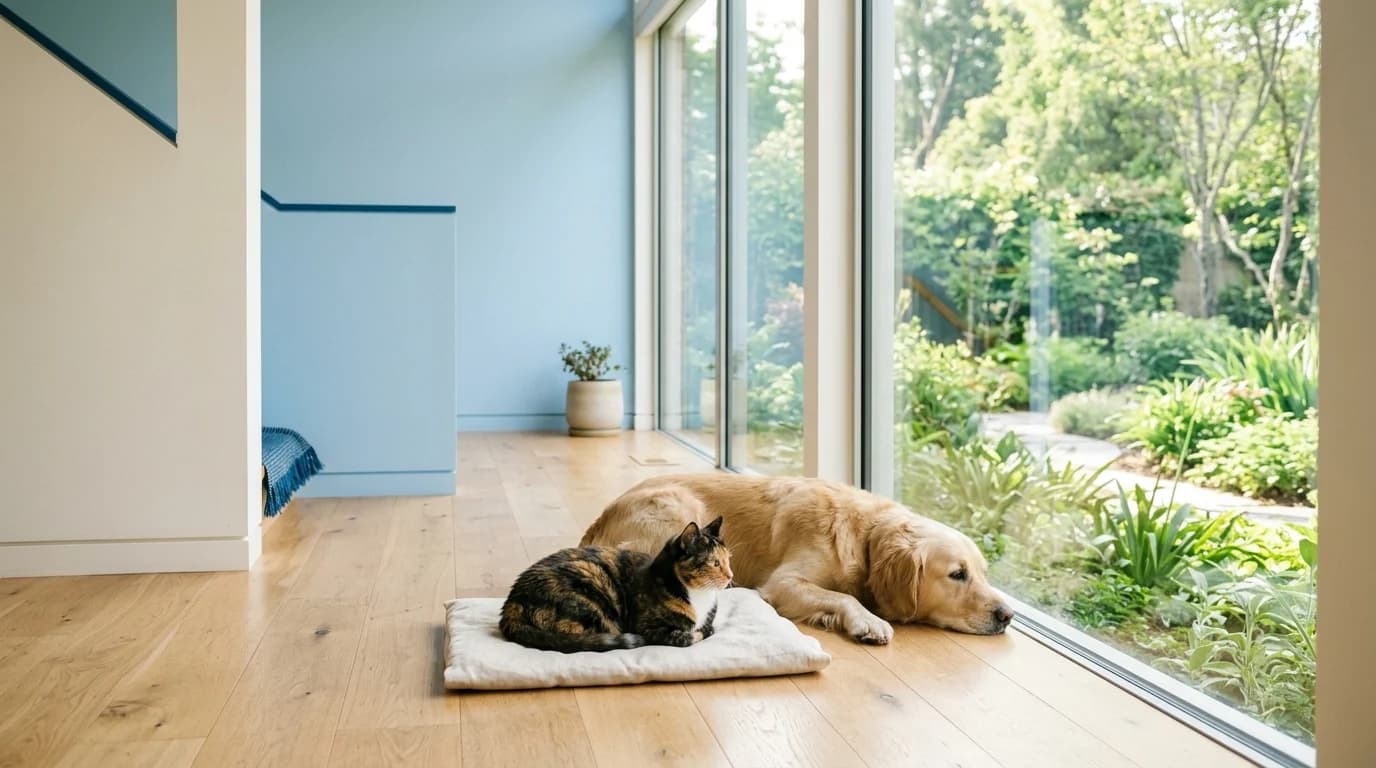
Feline Hyperthyroidism vs Canine Hypothyroidism: Balancing Metabolic Harmony
Weight loss with voracious appetite in geriatric cats versus lethargy and weight gain in aging dogs. Understanding thyroid endocrine balance, L-carnitine, selenium, and Thyrovet support.
Summary — direct answer: Thyroid disorders present as clinical polar opposites between feline and canine patients: older cats suffer from hyperthyroidism (metabolic overdrive), whereas middle-aged dogs predominantly develop hypothyroidism (metabolic slowdown). Feline patients display polyphagia with rapid cachexia, tachypnea, and vocal agitation. Canine patients exhibit symmetrical alopecia ('rat tail'), cold intolerance, and insidious obesity despite normal intake. While primary pharmacotherapy is strictly prescribed by the veterinary clinician, targeted nutritional cofactors—including L-carnitine, selenium, zinc, and balanced iodine—provide essential cellular support for metabolic homeostasis.
The Dual Facets of Thyroid Dysfunction
Thyroid hormones (thyroxine T4 and triiodothyronine T3) act as the principal conductors of cellular metabolic rate, mitochondrial oxygen consumption, and protein synthesis.
1. Feline Hyperthyroidism
Driven primarily by functional benign adenomatous hyperplasia of the thyroid lobes in cats over 10 years of age:
- Polyphagia with Cachexia: Cats consume excessive caloric intake while experiencing progressive muscle wasting.
- Cardiovascular Stress: Systemic hypertension and secondary thyrotoxic hypertrophic cardiomyopathy (HCM).
- Agitated Vocalization: Increased nervousness, nocturnal pacing, and hyperactivity.
2. Canine Hypothyroidism
Resulting from immune-mediated lymphocytic thyroiditis or idiopathic follicular atrophy in mid-to-large breed dogs:
- Lethargy and Exercise Intolerance: Reluctance to engage in daily physical activities alongside unexplained weight gain.
- Endocrine Alopecia: Bilateral symmetrical non-pruritic flank hair loss and hallmark 'rat-tail' alopecia.
- Hypothermia Seeking: Shivering and relentless preference for heat sources.
Nutritional Modulation of Cellular Metabolism
- 1L-Carnitine: Facilitates mitochondrial transport of long-chain fatty acids; clinically demonstrated to blunt peripheral cellular impacts of excess thyroid hormones.
- 2Selenium and Zinc Cofactors: Vital for 5'-deiodinase enzymatic activity converting prohormone T4 into active intracellular T3.
- 3Antioxidant Redox Buffer: Mitigates reactive oxygen species induced within chronically strained follicular tissue.
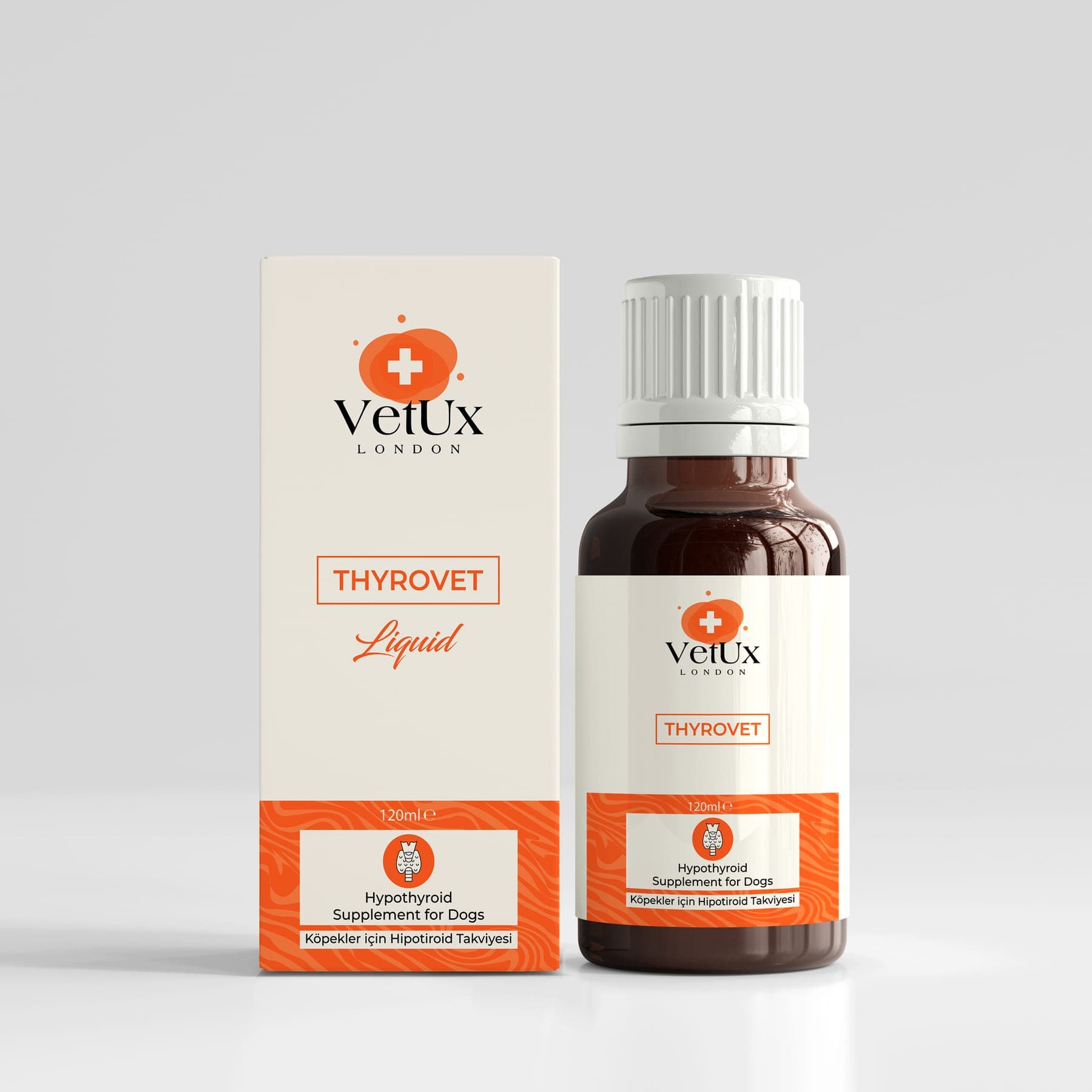
Metabolic Nutritional Support with Thyrovet
Thyrovet delivers a sophisticated complementary feed engineered to assist companion animals exhibiting metabolic fluctuations, supplying synergistic L-carnitine, bioavailable selenium, and antioxidant factors to promote daily vitality.
Frequently Asked Questions (FAQ)
Is Thyrovet a thyroid hormone replacement medication?
No. Thyrovet is not a prescription hormone or antithyroid drug. It is a premium nutritional complementary feed supporting physiological cellular metabolism alongside veterinary medical guidance.
Frequently asked questions
What is the rat tail sign in dogs?
Hair loss concentrated along the tail leaving it sparse and bare, characteristic of canine hypothyroidism.
Can Thyrovet be administered long-term?
Yes, as part of an ongoing nutritional support plan monitored by your veterinary surgeon.
This article is for general information only; it does not replace veterinary examination, diagnosis or treatment. VetUx London products are complementary feed. If you have any concern about your companion, please consult your veterinary surgeon.
Share
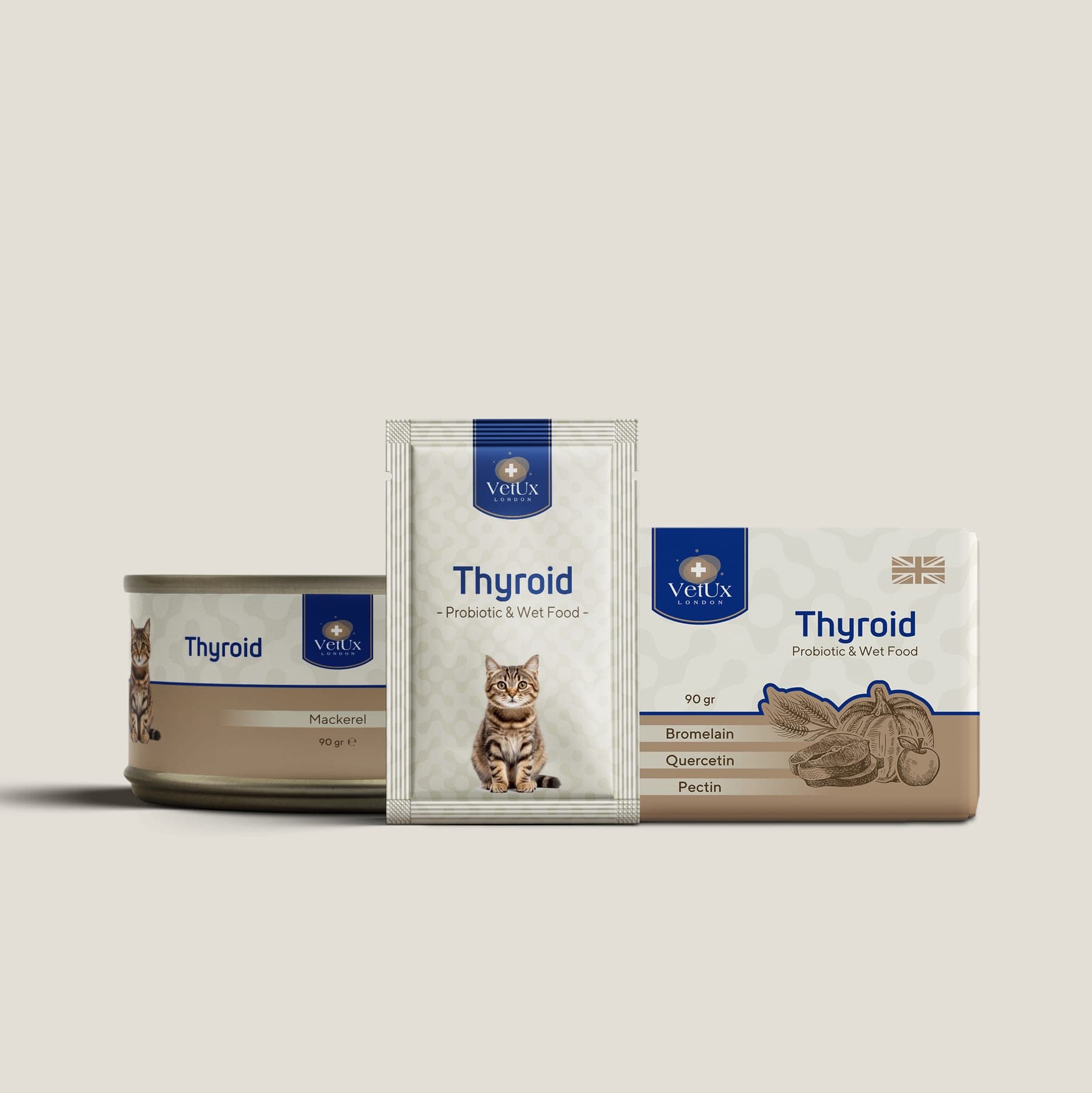
The formulas matching the nutritional support described above.
Related articles
All articles Clinical Notes
Liver and Bile Duct Integration: Diet and Phytotherapy in Hyperbilirubinemia
Jaundice, elevated bilirubin, and cholangiohepatitis in cats and dogs. Hepatobiliary drainage, antioxidant cytoprotection, and nutritional support with Elixir of Bile Fix.
 Clinical Notes
From Liver to Gallbladder: Why Biliary Stasis (Cholestasis) is Dangerous in Pets
Biliary sludge and cholestasis in dogs and cats presenting with nausea, vomiting, and elevated liver enzymes. The physiological importance of bile fluidity, cholagogue and choleretic botanical extracts.
 Clinical Notes
Cough and Nasal Discharge in Pets: Mucus Viscosity and Bronchial Comfort
In cats wheezing with extended necks, and dogs coughing persistently at night, respiratory mucosal irritation requires physiological clarity. The role of mucociliary clearance, thyme, licorice root, and the Free Breathing botanical matrix.