
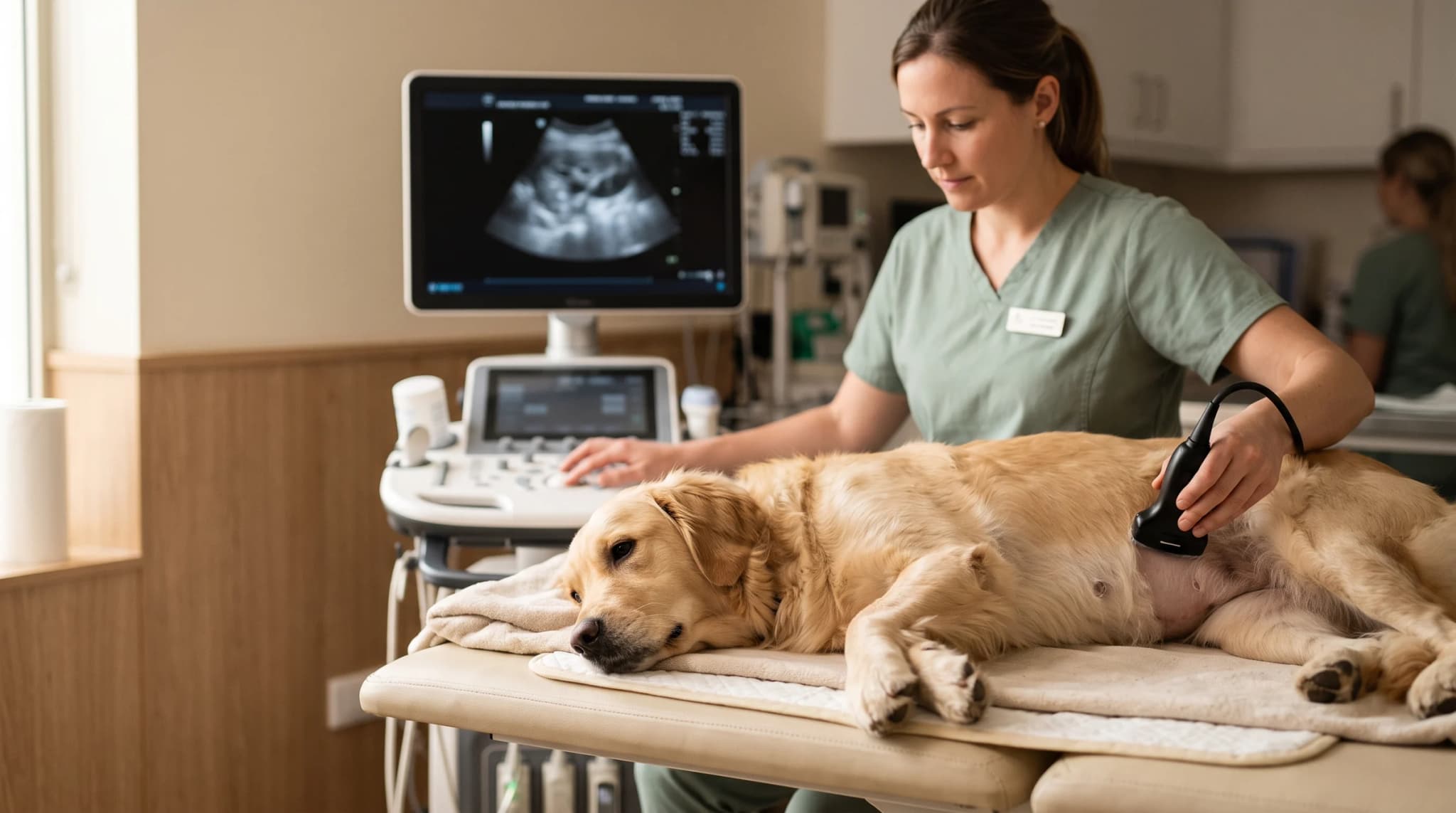
From Liver to Gallbladder: Why Biliary Stasis (Cholestasis) is Dangerous in Pets
Biliary sludge and cholestasis in dogs and cats presenting with nausea, vomiting, and elevated liver enzymes. The physiological importance of bile fluidity, cholagogue and choleretic botanical extracts.
Summary — direct answer: Biliary stasis (cholestasis) in cats and dogs is an insidious condition where thickened, sluggish bile accumulates in the gallbladder and ducts, causing hepatocyte toxicity. When physiological bile flow into the duodenum is impaired, fat absorption fails and accumulated bile acids induce membrane oxidation, elevating ALT, ALP, and GGT. Choleretic and cholagogue botanicals such as dandelion, artichoke, and milk thistle promote fluid bile secretion and gallbladder motility. Complete duct obstruction requires emergency veterinary surgical intervention.
The Hepatobiliary Axis: How Cholestasis Develops
Bile is continuously synthesized by hepatocytes and concentrated within the gallbladder. Beyond emulsifying dietary lipids, it serves as the essential excretory route for bilirubin and metabolic xenobiotics. Dehydration, endocrine dysfunction, and dyslipidemia promote bile hyperviscosity, transitioning from microscopic crystals to biliary sludge and potentially gall bladder mucoceles.
Clinical Markers of Gallbladder Sluggishness
- Intermittent morning vomiting of yellow bilious fluid.
- Acholic (pale or clay-coloured) stools due to deficient stercobilin entry.
- Abdominal splinting and cranial right-quadrant discomfort.
- Subtle mucosal scleral icterus in advanced biliary retention.
Botanical Synergies Supporting Biliary Health
- 1Choleretic Action (Dandelion / Taraxacum officinale): Stimulates active hepatocyte bile acid secretion, thinning overall volume.
- 2Cholagogue Motility (Artichoke / Cynara scolymus): Enhances gallbladder contractility, clearing dependent stagnant sediment.
- 3Cytoprotection (Milk Thistle / Silymarin): Protects hepatic cell membranes against detergent-like bile acid damage.
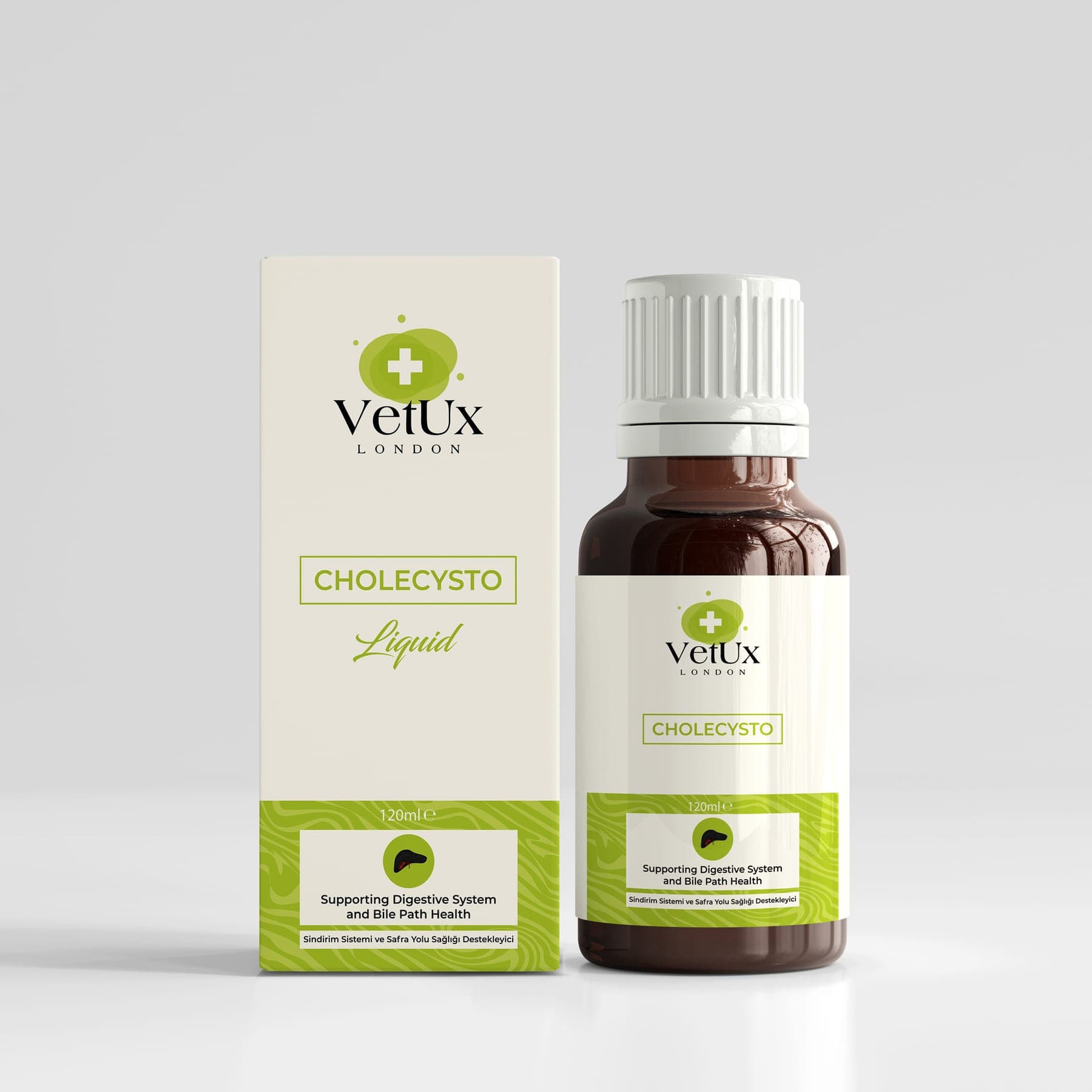
Biliary Support with Cholecysto Liquid
Cholecysto Liquid is an advanced veterinary complementary liquid formulated to support physiological bile fluidity, hepatocyte integrity, and gallbladder evacuation in dogs and cats.
Frequently Asked Questions (FAQ)
Does Cholecysto dissolve biliary calculi?
No. Cholecysto is not a medicinal stone-dissolving agent. It is a nutritional support designed to optimize bile viscosity and gallbladder physiological drainage.
Frequently asked questions
What causes biliary sludge in dogs?
Underlying endocrinopathies (Cushing's, hypothyroidism), high-fat diets, dehydration, and sluggish gallbladder motility are common triggers.
Is Cholecysto suitable for cats?
Yes, especially in feline triaditis and biliary sluggishness under veterinary supervision.
This article is for general information only; it does not replace veterinary examination, diagnosis or treatment. VetUx London products are complementary feed. If you have any concern about your companion, please consult your veterinary surgeon.
Share
The formulas matching the nutritional support described above.
Related articles
All articles Clinical Notes
Hip Dysplasia in Dogs: Signs, Weight Control and an Exercise Plan
Hip dysplasia starts when the hip joint of a growing dog, most often a large breed, develops loose and ends in osteoarthritis over time. We explain the signs, why diagnosis needs an X-ray at the vet, how weight loads the joint and how to plan controlled exercise from puppyhood to old age.
 Clinical Notes
Bad Breath in Cats: Tartar, Gum Disease and Causes Beyond the Mouth
Bad breath in cats usually comes from plaque and tartar, but it can also be an early sign of kidney disease or diabetes. We explain how the odour develops, why tartar removal belongs at the vet and how to care for your cat's mouth day to day.
 Clinical Notes
Signs of Heart Failure in Dogs: Coughing, Fast Breathing and Tiredness
Coughing, fast breathing during sleep and tiring quickly are the most common signs of heart failure in dogs. Why they happen, counting sleeping breathing rate at home, emergency signs and the diagnostic process, from a veterinary surgeon.