
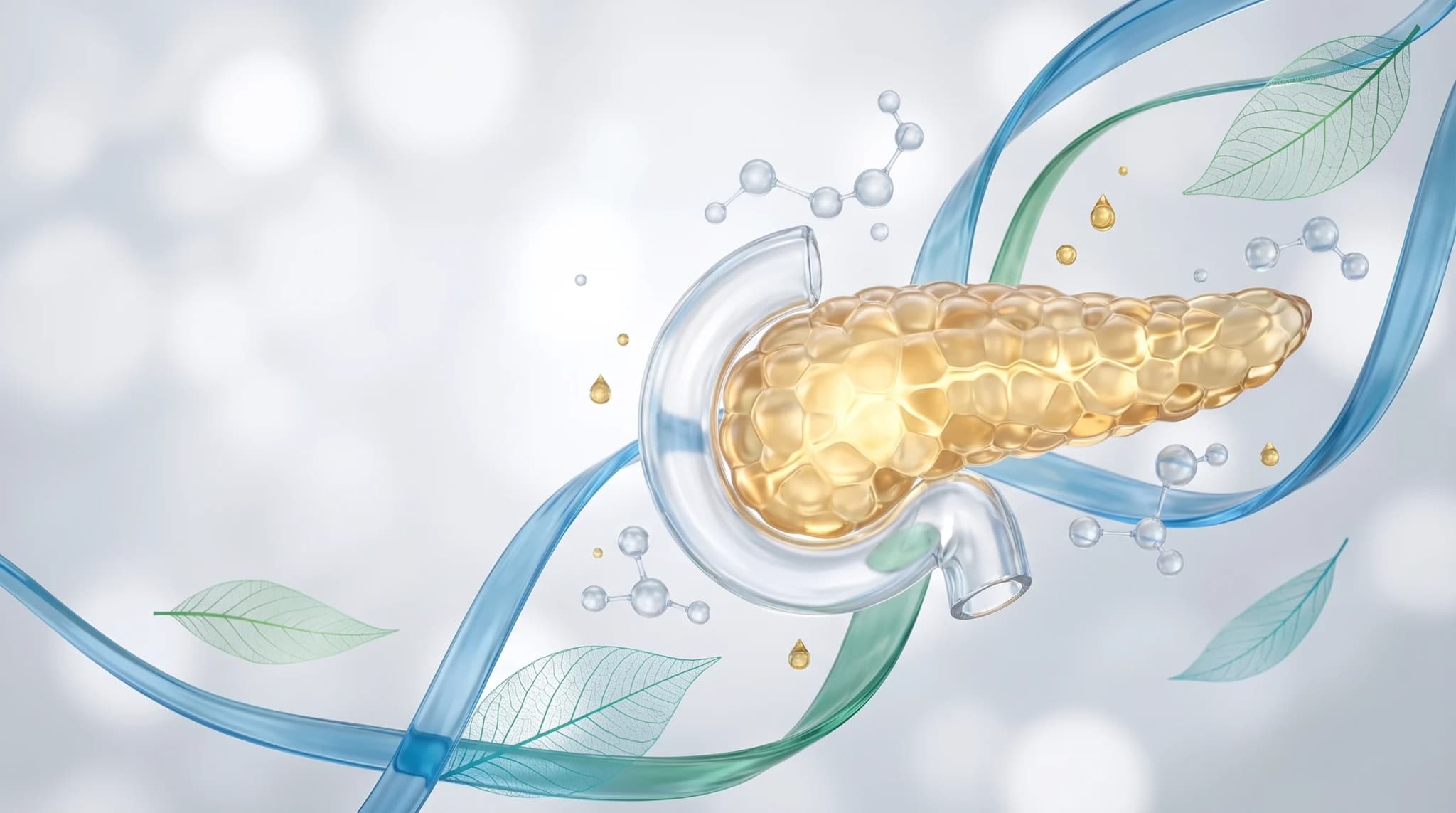
Feeding Pets That Have Recovered from Acute Pancreatitis: Precautions for Exocrine Pancreatic Insufficiency
Why does digestive load matter after a cat or dog recovers from acute pancreatitis, and which signs of exocrine pancreatic insufficiency should owners watch for? This article covers the mechanisms, feeding principles and the central role of veterinary follow-up.
Summary — Direct Answer: Most cats and dogs that survive acute pancreatitis recover fully, but repeated episodes can gradually reduce enzyme-producing pancreatic tissue. Afterwards, an easily digested diet at the fat level your veterinary surgeon sets, plus monitoring of faeces and weight, matters. If exocrine pancreatic insufficiency is suspected, diagnosis and enzyme replacement are your veterinary surgeon's decisions.
Why can digestion remain sensitive after acute pancreatitis?
Pancreatitis is an inflammatory process that begins when the pancreas's own digestive enzymes are activated prematurely inside the gland. Once the acute episode has clinically resolved, most of the pancreatic tissue keeps working in most animals. In some patients, however, episodes recur or the process quietly becomes chronic. Chronic inflammation can lead to the enzyme-producing acinar cells being replaced by fibrous tissue.
The picture differs between species. In cats, pancreatitis is often insidious and chronic, and may occur alongside inflammation of the liver and bile ducts and of the small intestine (a combination referred to as triaditis). In dogs, acute episodes can be more obvious, and dietary indiscretion such as eating fatty table scraps or raiding the bin is listed among the risk factors. In both species, the period after pancreatitis is one in which veterinary follow-up should continue.
What is exocrine pancreatic insufficiency (EPI), and which signs need attention?
Exocrine pancreatic insufficiency is the inability of the pancreas to produce enough digestive enzymes. Because the pancreas has a large functional reserve, clinical signs usually appear only once a very large part of the exocrine tissue (often quoted as around 90 per cent) has lost its function. In dogs, the most common cause of EPI is pancreatic acinar atrophy, although chronic pancreatitis is also an important cause. In cats, the most common cause of EPI is chronic pancreatitis.
In an animal with a history of pancreatitis, the following signs should be reported to the veterinary surgeon:
- Voluminous, pale, soft, greasy-looking faeces
- Weight loss despite a normal or increased appetite
- Deteriorating coat quality, with a dull or greasy coat
- In cats, greasy soiling of the fur around the anus
- Increased gut sounds, flatulence and a change in how often the animal passes faeces
The mechanism: how does the pancreas manage digestion, and how does diet affect that load?
What the exocrine pancreas does
The exocrine part of the pancreas secretes three main groups of enzymes into the small intestine: proteases that break down proteins (the precursors of trypsin and chymotrypsin), amylase that breaks down starch, and lipase that breaks down fats. The duct cells produce bicarbonate, which neutralises the acidic contents arriving from the stomach; the enzymes depend on this neutral environment to work. The pancreas also produces intrinsic factor, which is needed to absorb vitamin B12. In cats, the pancreas is the only source of intrinsic factor; in dogs it is the main source, with a small contribution from the stomach.
Why is fat digestion the most fragile link?
Fat digestion requires several steps to work together: bile breaks fat into small droplets, pancreatic lipase, helped by colipase, attaches to the surface of these droplets and splits the fats into absorbable fragments, and these fragments then form micelles with bile salts to reach the intestinal wall. Lipase has no meaningful back-up outside the pancreas, so when exocrine capacity falls, fat digestion is the first and most visibly affected process. Undigested fat gives faeces a greasy appearance. Because vitamins A, D, E and K are absorbed together with fat, impaired fat digestion can also affect the absorption of these vitamins.
The logic of low-fat feeding
Fat is one of the strongest dietary stimuli of pancreatic secretion, and its digestion depends on lipase more than any other nutrient. In dogs with a history of pancreatitis, particularly those with persistently high blood lipids, diets with a controlled fat content are frequently recommended; this advice rests largely on observational data and expert opinion. In cats, the need for fat restriction is less clear than in dogs; the consensus statement on feline pancreatitis emphasises an easily digested diet that the cat eats willingly, and keeping feeding going without interruption. Even so, in some cats with greasy faeces or concurrent intestinal sensitivity, the veterinary surgeon may prefer a lighter fat profile.
In patients diagnosed with EPI the picture is also individual. Not every animal receiving appropriate enzyme replacement needs strict fat restriction; the fat level is a decision the veterinary surgeon makes based on faecal quality and weight trends. High-fibre diets are generally not favoured in EPI, and the type and amount of fibre should also be left to veterinary judgement.
Bromelain, probiotics and krill: what they do and do not support
- Bromelain: A mixture of proteolytic (protein-splitting) enzymes obtained from the pineapple plant (Ananas comosus). It is thought to contribute to the normal digestion of food, but clinical data on its digestive effects in cats and dogs are limited. Bromelain is not a lipase, does not take over fat digestion and does not replace pancreatic enzyme replacement.
- Probiotic cultures and prebiotic fibre: In EPI and chronic digestive problems, the balance of the small intestinal flora is often disturbed. Probiotics, and the prebiotic fibres that feed them, can support the natural balance of the gut flora. Effects are strain-specific and EPI-specific evidence is still limited, so expectations should stay at a supportive level.
- Krill powder (Euphausia superba): Derived from Antarctic krill, it provides omega-3 fatty acids such as EPA and DHA, part of which are bound to phospholipids. The role of omega-3 fatty acids in the body's normal inflammatory balance is well described, but clinical evidence specific to the period after pancreatitis is limited.
- Vitamins A, D, E and K: Within a fat-controlled meal, these contribute to meeting the daily requirement for fat-soluble vitamins. Correcting a diagnosed deficiency is a separate process planned by the veterinary surgeon.
What precautions can be considered when feeding at home after pancreatitis?
- Stick to the diet recommended by your veterinary surgeon at discharge; change foods gradually rather than suddenly, and only after consulting your veterinary surgeon.
- Do not give fatty table scraps, fried food, skin or fatty cuts of meat as rewards; this is particularly important for dogs.
- If your veterinary surgeon recommends it, divide the daily amount into several small meals.
- Never take loss of appetite lightly in cats; even a short period without eating can increase the risk of fatty liver. Wet, high-moisture foods can make eating easier for cats with a delicate appetite.
- Keep a simple faeces and weight diary; changes in faecal colour, consistency and frequency give your veterinary surgeon valuable information at check-ups.
- Do not skip follow-up appointments. Because diabetes mellitus as well as EPI can develop after pancreatitis, excessive drinking and frequent urination should also be reported to the veterinary surgeon.
Where does Elixir of PankreoFix fit for cats?
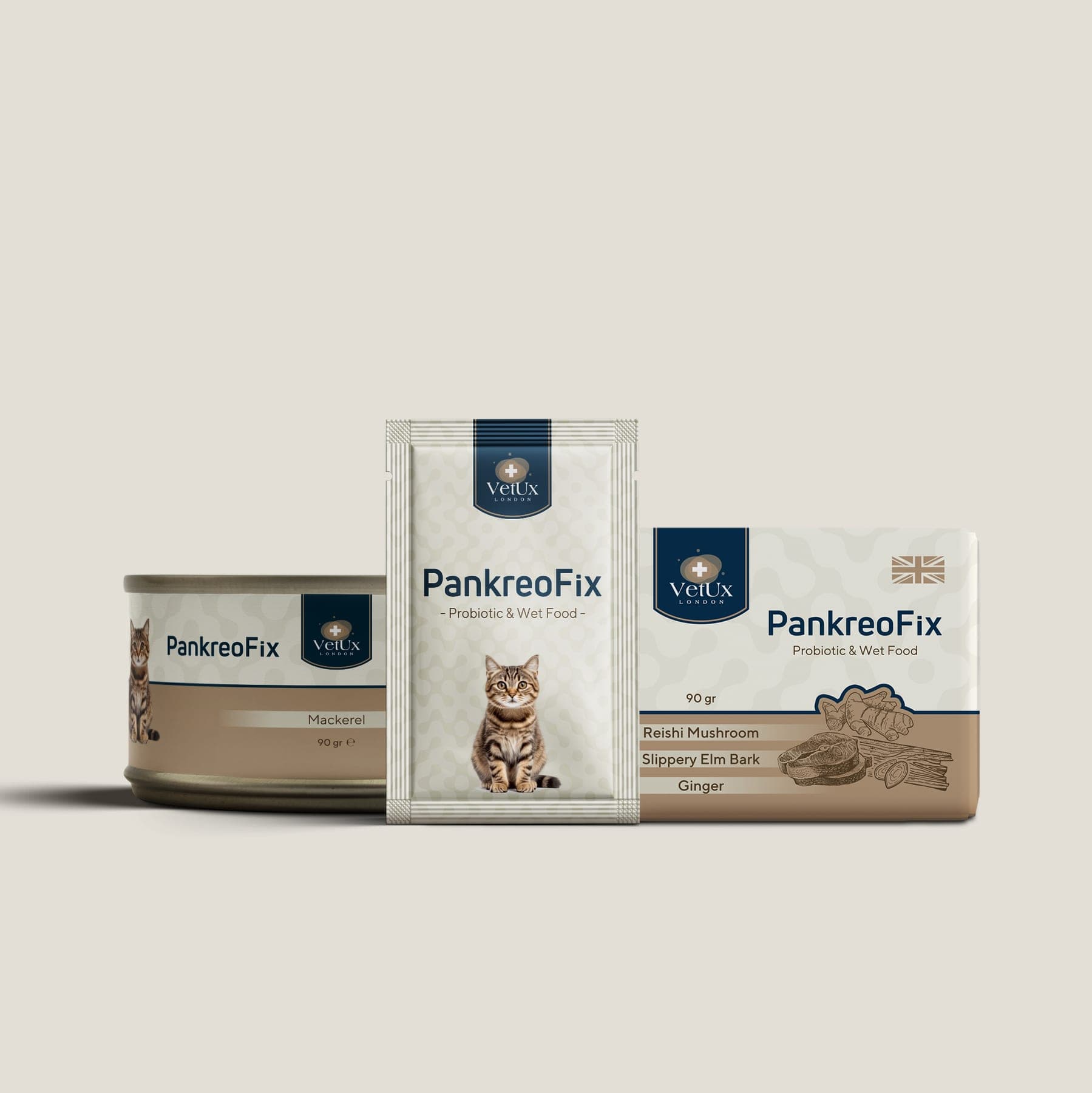
Elixir of PankreoFix is a complementary feed for cats, made up of a probiotic wet food and sachet combination. Its mackerel-based, gluten-free, low-fat recipe contains krill powder (Euphausia superba), bromelain (Ananas comosus), probiotic cultures, vitamins A, D, E and K, and prebiotic fibre. This composition aims to contribute to normal digestive function and the maintenance of everyday gut comfort in cats through periods when digestive comfort needs extra attention.
When should you contact a veterinary surgeon without waiting?
- Repeated vomiting, obvious abdominal pain or, in dogs, the prayer position with the front end lowered and the hindquarters raised
- Loss of appetite lasting more than a day in cats, or persisting in dogs
- Lethargy, hiding, fever, or yellowing of the whites of the eyes or the gums
- Diarrhoea lasting more than a few days, or the greasy faeces signs described above
- Ongoing weight loss despite the feeding plan
References
- 1Forman MA, Steiner JM, Armstrong PJ, et al. ACVIM consensus statement on pancreatitis in cats. J Vet Intern Med. 2021;35(2):703-723.
- 2Xenoulis PG. Diagnosis of pancreatitis in dogs and cats. J Small Anim Pract. 2015;56(1):13-26.
- 3Cridge H, Lim SY, Algül H, Steiner JM. New insights into the etiology, risk factors, and pathogenesis of pancreatitis in dogs: potential impacts on clinical practice. J Vet Intern Med. 2022;36(3):847-864.
- 4Mansfield C, Beths T. Management of acute pancreatitis in dogs: a critical appraisal with focus on feeding and analgesia. J Small Anim Pract. 2015;56(1):27-39.
- 5Lem KY, Fosgate GT, Norby B, Steiner JM. Associations between dietary factors and pancreatitis in dogs. J Am Vet Med Assoc. 2008;233(9):1425-1431.
- 6Westermarck E, Wiberg M. Exocrine pancreatic insufficiency in the dog: historical background, diagnosis, and treatment. Top Companion Anim Med. 2012;27(3):96-103.
- 7Steiner JM. Exocrine pancreatic insufficiency in the cat. Top Companion Anim Med. 2012;27(3):113-116.
- 8Xenoulis PG, Zoran DL, Fosgate GT, Suchodolski JS, Steiner JM. Feline exocrine pancreatic insufficiency: a retrospective study of 150 cases. J Vet Intern Med. 2016;30(6):1790-1797.
- 9Batchelor DJ, Noble PJ, Taylor RH, Cripps PJ, German AJ. Prognostic factors in canine exocrine pancreatic insufficiency: prolonged survival is likely if clinical remission is achieved. J Vet Intern Med. 2007;21(1):54-60.
- 10Schmitz S, Suchodolski J. Understanding the canine intestinal microbiota and its modification by pro-, pre- and synbiotics – what is the evidence? Vet Med Sci. 2016;2(2):71-94.
- 11Bauer JE. Therapeutic use of fish oils in companion animals. J Am Vet Med Assoc. 2011;239(11):1441-1451.
- 12Pavan R, Jain S, Shraddha, Kumar A. Properties and therapeutic application of bromelain: a review. Biotechnol Res Int. 2012;2012:976203.
Frequently asked questions
Does every cat or dog that has had acute pancreatitis develop EPI?
No. In most animals that recover from acute pancreatitis, the exocrine pancreas keeps adequate function. EPI tends to develop when recurrent or chronic inflammation gradually reduces the enzyme-producing tissue over a long period. That is why regular veterinary check-ups and monitoring for signs are important.
If I suspect EPI, can I start enzymes or supplements at home?
This is not recommended. EPI is diagnosed by a veterinary surgeon using laboratory tests such as the species-specific serum TLI test. Enzyme replacement, cobalamin supplementation and dietary changes are decisions the veterinary surgeon makes according to the diagnosis. Supplements started before a veterinary assessment can make the diagnosis harder.
After pancreatitis, should my cat eat a very low-fat food just like my dog?
Not always. Evidence for the need to restrict fat is stronger in dogs. In cats, the priority is to keep feeding going with an easily digested diet that the cat eats willingly. Your veterinary surgeon, who assesses faecal quality and your cat's overall condition, will decide on the right fat level.
Can bromelain stand in for pancreatic enzymes?
No. Bromelain is a plant-derived mixture of protein-splitting enzymes; it does not act as a fat-splitting lipase. It does not close the gap in fat digestion that is the core problem in EPI, and it should not be used instead of the pancreatic enzyme replacement your veterinary surgeon recommends.
Can Elixir of PankreoFix be given to my dog as well?
Elixir of PankreoFix is a complementary feed formulated for cats and is not recommended for dogs. The feeding plan for a dog with a history of pancreatitis should be set up together with a veterinary surgeon.
After pancreatitis, which signs mean I should bring a check-up forward?
Vomiting, abdominal pain, loss of appetite, lethargy, yellowing, greasy and voluminous faeces, unexplained weight loss, and excessive drinking with frequent urination are all signs that call for an earlier appointment.
This article is for general information only; it does not replace veterinary examination, diagnosis or treatment. VetUx London products are complementary feed. If you have any concern about your companion, please consult your veterinary surgeon.
Share
The formulas matching the nutritional support described above.
Related articles
All articles Clinical Notes
Diabetes Management in Cats and Dogs: Botanical and Nutritional Supports Slowing Carbohydrate Absorption
Blood glucose fluctuations, insulin resistance, and postprandial glycemic control in cats and dogs. Bitter melon, gymnema, chromium picolinate, and Elixir of Diabetic for cellular glycemic balance.
 Clinical Notes
Feline Hyperthyroidism vs Canine Hypothyroidism: Balancing Metabolic Harmony
Weight loss with voracious appetite in geriatric cats versus lethargy and weight gain in aging dogs. Understanding thyroid endocrine balance, L-carnitine, selenium, and Thyrovet support.
 Clinical Notes
Liver and Bile Duct Integration: Diet and Phytotherapy in Hyperbilirubinemia
Jaundice, elevated bilirubin, and cholangiohepatitis in cats and dogs. Hepatobiliary drainage, antioxidant cytoprotection, and nutritional support with Elixir of Bile Fix.