
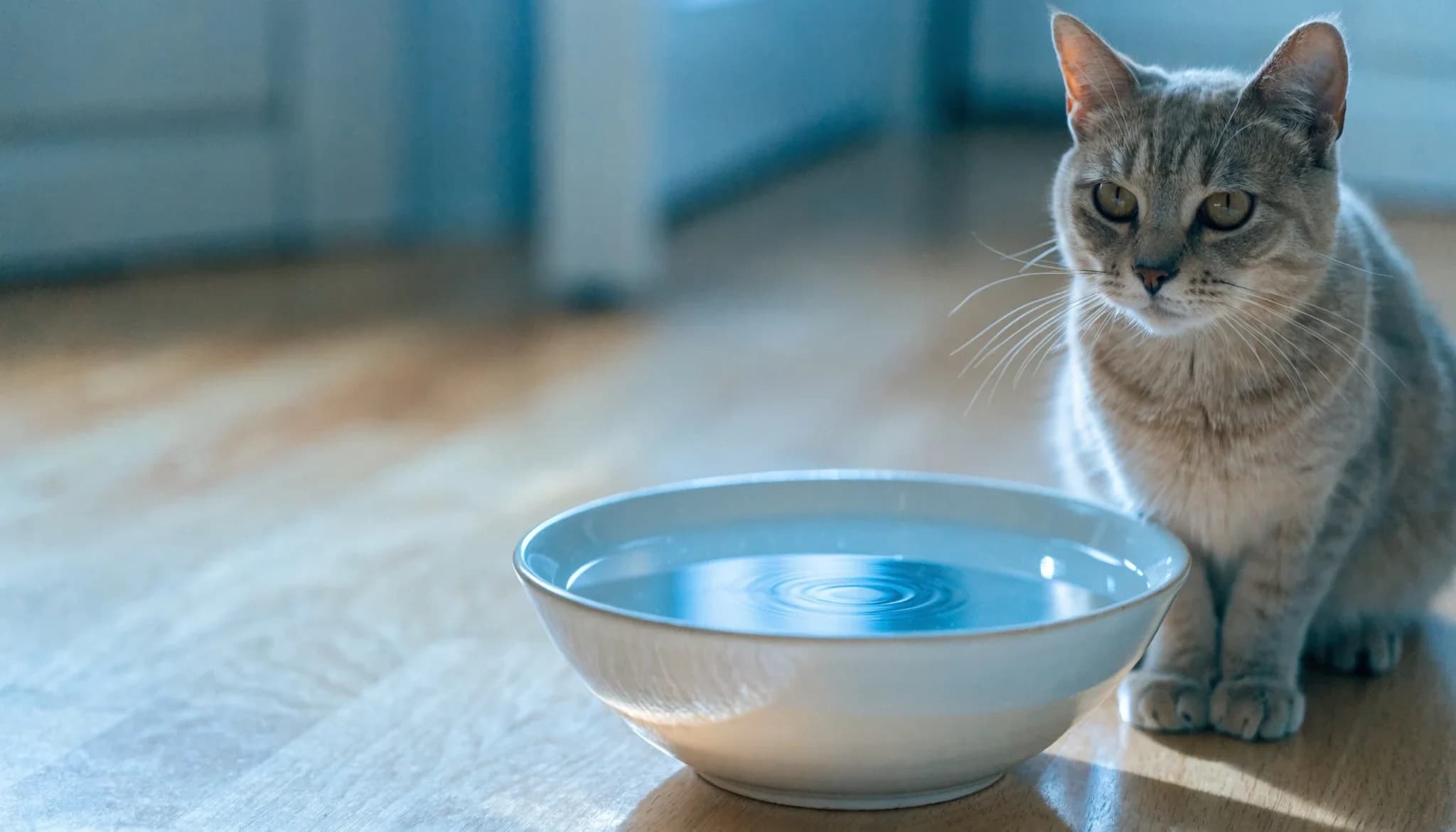
Practical ways to raise water intake in senior cats
Cats rarely show us that they are thirsty. Raising daily water intake is one of the simplest habits that helps maintain normal kidney function — and in most homes it takes only a few small changes.
Cats inherited their drinking habits from ancestors in dry landscapes, where most water came with the prey. A dry-food routine at home breaks that balance: thirst registers late, and daily intake quietly falls. As a cat ages, that quiet shortfall matters more.
Why age changes the picture
In senior cats, daily fluid balance works within a narrower margin. That makes raising water intake one of the simplest everyday habits that helps maintain normal kidney function. No complicated programme is needed — moving the bowl can be enough to make a measurable difference.
Seven practical changes
- 1Move the bowl away from food. Cats dislike drinking next to a meal — a remnant of the instinct that water beside prey is not clean.
- 2Keep it away from the litter tray too. The same reasoning, only stronger.
- 3Offer more than one bowl. Two bowls at opposite ends of the home lead to far more drinking than one.
- 4Choose a wide, shallow bowl. Whiskers brushing the rim (whisker fatigue) cuts most cats' drinking short.
- 5Try a different material. Glass, ceramic and steel tend to be preferred over plastic.
- 6Refresh the water at least once a day. Water left at room temperature goes "stale" to a cat within hours.
- 7Add wet food to the routine. Its water content is the easiest and steadiest contribution to daily intake.
About the wet food
A move from dry to wet food is made over weeks, not days. Placing a small amount of the new food beside the familiar one and raising the proportion a little each day is the established way to change over without upsetting digestion.
Talking about water intake is one of the shortest and most useful conversations we have with owners. Often the only thing that changes at home is where the bowl sits.
Where nutritional support sits
When kidney health needs extra attention, nutritional support may come up alongside veterinary follow-up. VetUx London products are complementary feed: they accompany veterinary care, they do not replace it. Which product suits a particular cat depends on age and on your vet's assessment.
Frequently asked questions
How much water should my cat drink each day?
A rough starting point is around 50 ml per kilogram, but food type, temperature and age all shift that figure. Ask your veterinary surgeon for the right range for your cat.
How do I notice a change in intake?
Filling the bowl to the same level for a week and measuring what is left each evening is a practical method. A sudden, marked rise or fall always warrants a call to your vet.
Do I need a water fountain?
No. Some cats prefer running water, others ignore it entirely. It is worth trying, but bowl placement and width are usually more decisive.
This article is for general information only; it does not replace veterinary examination, diagnosis or treatment. VetUx London products are complementary feed. If you have any concern about your companion, please consult your veterinary surgeon.
Share
Related articles
All articles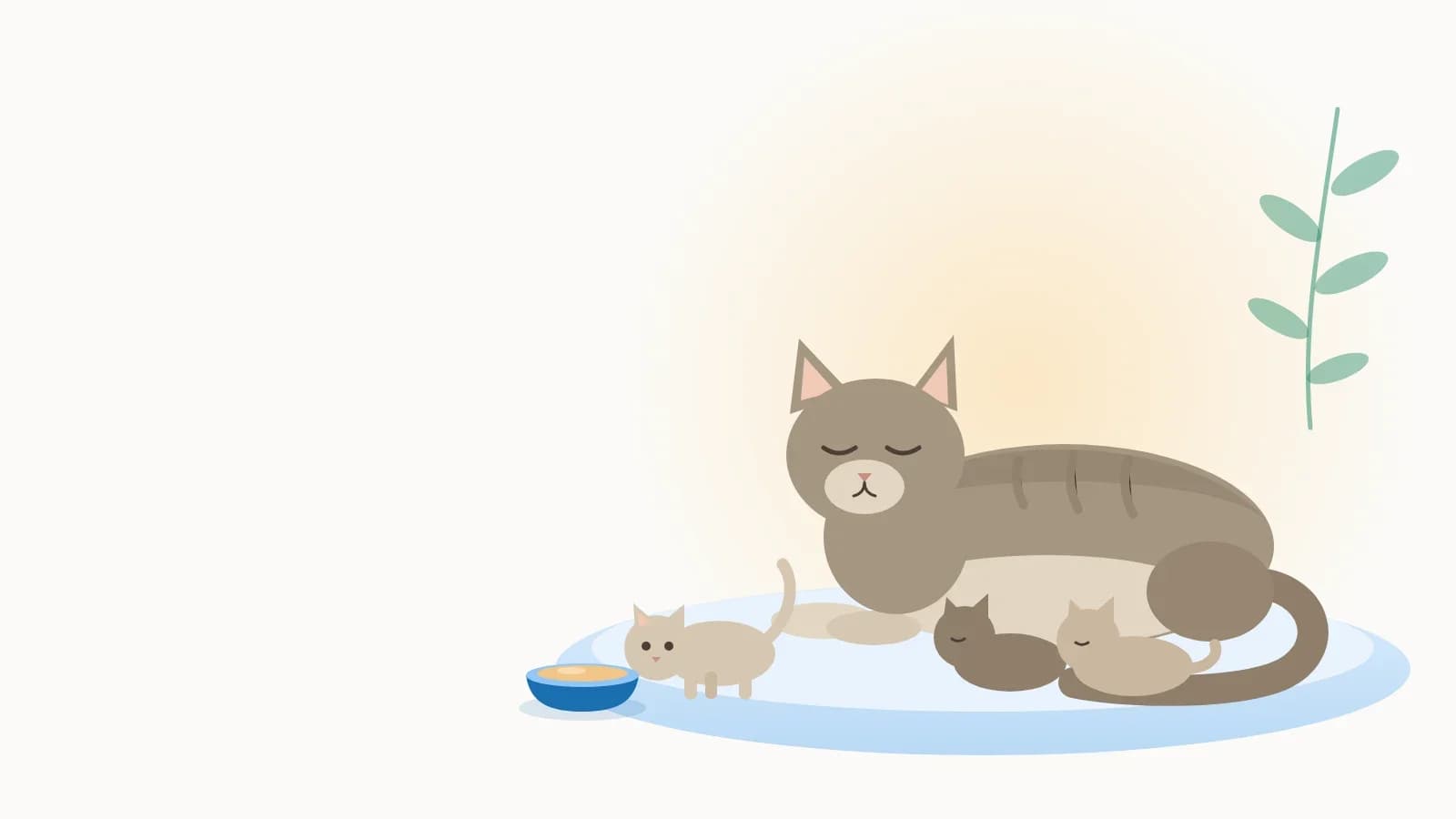 Clinical Notes
Gut Development in Pregnant Mothers and Nursing Young: The Move From Mother's Milk to Solid Food
Why do newborn kittens and puppies gain their immunity from colostrum, when does gut closure happen, and how should the move from mother's milk to solid food be planned? The physiology of nutrition through pregnancy and nursing; every decision belongs to your vet.
 Clinical Notes
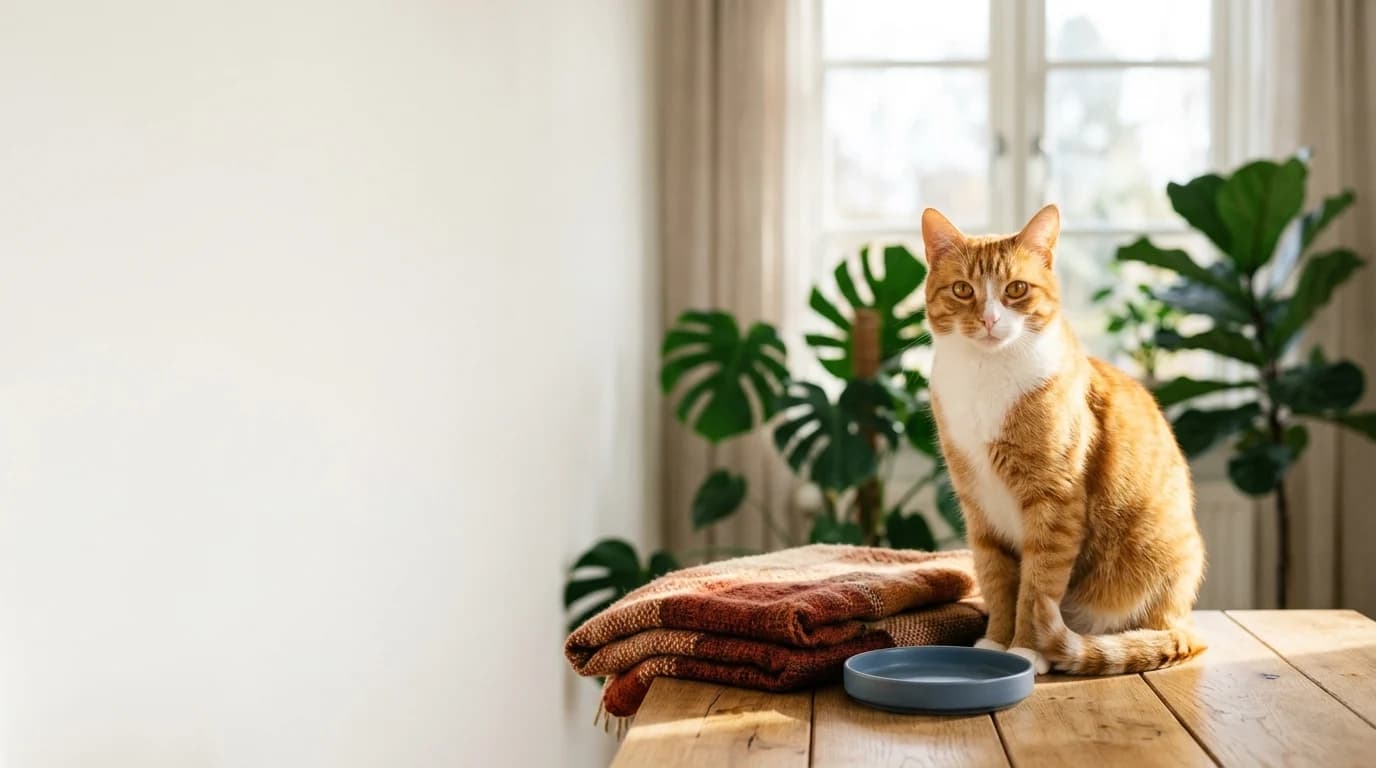
Red Blood Cell Losses in Cats and Dogs: Bioavailability of Chelated Iron and Vitamin B12 Absorption
Why do red blood cell losses and anaemia of chronic disease cause lethargy in cats and dogs? Explore the hepcidin-ferroportin axis, the bioavailability of chelated iron and vitamin B12 (cobalamin) absorption, and the physiological principles of bone marrow erythropoiesis support.
 Clinical Notes
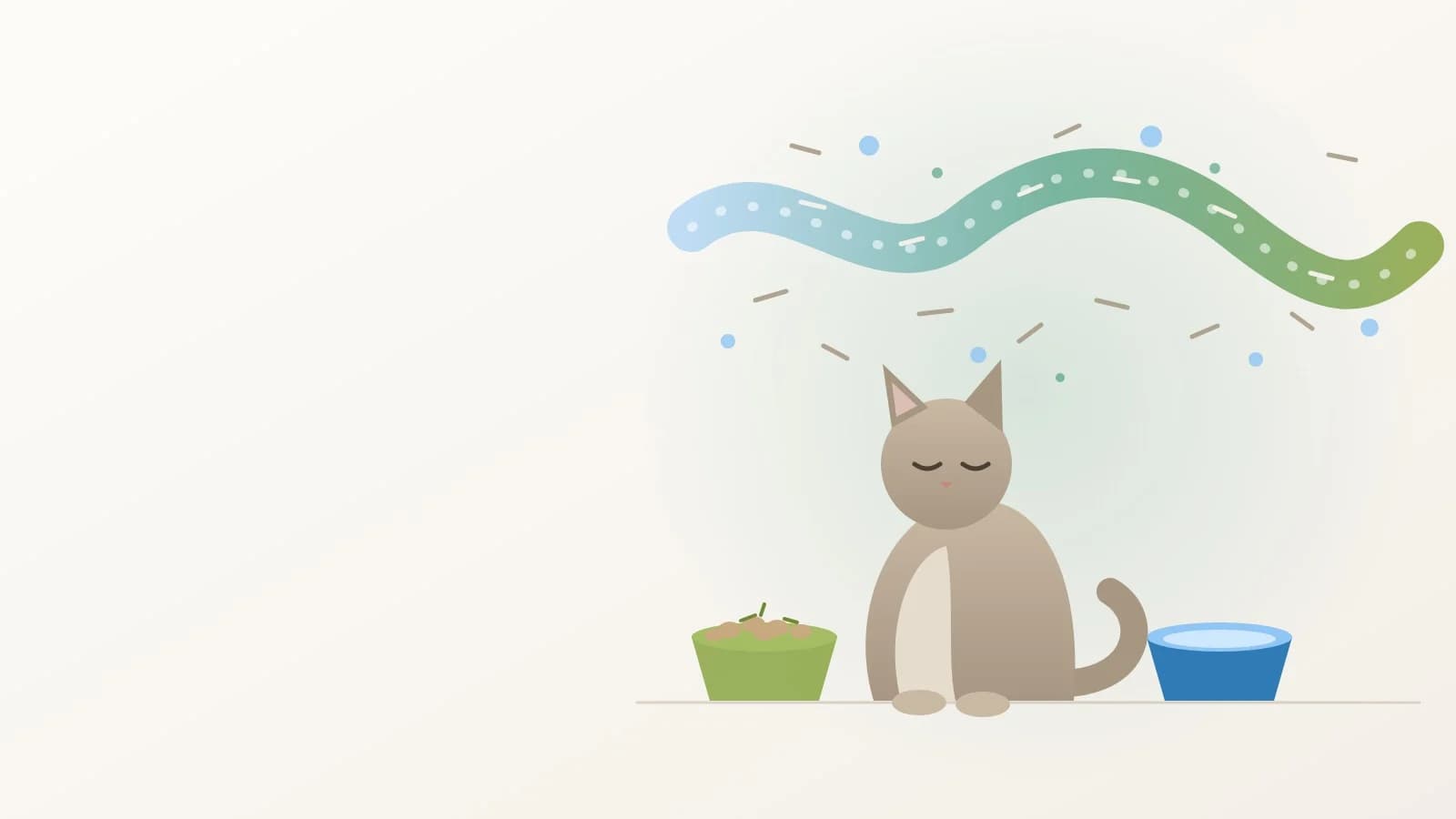
Hard Stools and Straining in Cats: The Peristaltic Power of Soluble and Insoluble Fibre
Why do cats develop hard stools and straining, and when does chronic constipation turn into a megacolon risk? This article covers the role of soluble and insoluble fibre in faecal bulk, water holding, peristalsis and the microbiota, plus the warning signs that need a veterinary surgeon.