
Do Hairballs Irritate a Cat's Stomach? Gastritis Risks and Scientific Approach
Accumulation of trichobezoars in cats mechanically erodes the gastric mucosa, predisposing to chronic gastritis. Nutritional and clinical approaches for physiological transit.
Direct Summary: Swallowed hair during grooming accumulates to form hairballs (trichobezoars), exerting mechanical pressure against the gastric wall and eroding the protective mucus layer. This allows gastric acid to irritate underlying tissue, contributing to chronic gastritis. Physiological excretion via feces can be facilitated using barley malt and prebiotic fiber supports that promote motility.
Swallowed hair during feline grooming is not merely a seasonal nuisance; it represents a clinical condition causing mechanical damage to the gastric mucosa, disrupting acid balance, and predisposing to chronic gastritis if unaddressed. Due to backward-facing filiform papillae on the feline tongue, keratinous hairs cannot be broken down by gastric acid. In a healthy system, these hairs pass into the intestines for fecal elimination. However, when gastric emptying is delayed or motility falters, hairs cluster in the stomach and trigger mucosal inflammation through friction.
How Do Hairballs Damage the Gastric Mucosa?
The gastric epithelium protects itself against hydrochloric acid and enzymes via an alkaline mucus barrier. Hardened hairball masses in the lumen continuously rub against this lining during peristalsis.
Key pathophysiological stages include:
- 1Mechanical Erosion: Dense hair clusters strip the protective mucus secreted by foveolar cells.
- 2Acid Contact: Without the mucosal shield, gastric acid makes direct contact with epithelial cells, causing micro-injuries.
- 3Mucosal Inflammation: Local histamine and inflammatory mediators trigger edema and erythema (early gastritis).
- 4Chronicity: If evacuation fails, chronic foveolar hyperplasia and superficial erosions create persistent gastric sensitivity.
Why Are Gastric Motility and Emptying Critical?
The Migrating Motor Complex (MMC) acts as an interdigestive housekeeper, propelling undigested debris into the duodenum. Heavy shedding, reduced hydration, or insufficient dietary fiber impair this cycle, trapping hairs in the stomach. Safe passage relies on sustaining this natural motility rhythm.
Clinical Signs of Gastric Irritation from Hairballs
- Intermittent morning vomiting containing white foam or yellow bile
- Dry, retching episodes without hair expulsion
- Picky eating or decreased appetite due to gastric fullness
- Abdominal tenderness and lethargy
Nutritional Support in Mucosal Protection: The Mallia Malt Paste Approach
Complementary feeds are not medicines; they offer nutritional and mechanical support alongside veterinary protocols.
Mallia Malt Paste delivers physiological benefits:
- Natural Lubrication: 80% malt extract and flaxseed oil (30,000 mg/kg) form a soothing barrier, reducing friction against gastric walls.
- Pyloric Transit: Softened hair clusters pass comfortably through the pyloric sphincter into the intestines.
- Prebiotic & Immune Support: Beta 1,3/1,6 Glucan (10,000 mg/kg) supports gut epithelial defense and microflora balance.
- Motility Care: Gentle fibers regulate gastric emptying and help prevent recurrent hairball accumulation.
References
- 1Cannon, M. (2013). JFMS, 15(1), 21-29.
- 2Washabau, R. J., & Day, M. J. (2012). Canine and Feline Gastroenterology.
- 3Sparkes, A. H., et al. (2010). JFMS, 18(3), 219-242.
Frequently asked questions
Is regular hairball vomiting normal for cats?
While common, frequent vomiting indicates insufficient motility and can cause mucosal damage. Veterinary assessment is recommended.
Is Mallia Malt Paste a veterinary medicine?
No, Mallia is a complementary feed. It does not treat illness, but provides nutritional and lubricating support for natural hair transit.
This article is for general information only; it does not replace veterinary examination, diagnosis or treatment. VetUx London products are complementary feed. If you have any concern about your companion, please consult your veterinary surgeon.
Share
Related articles
All articles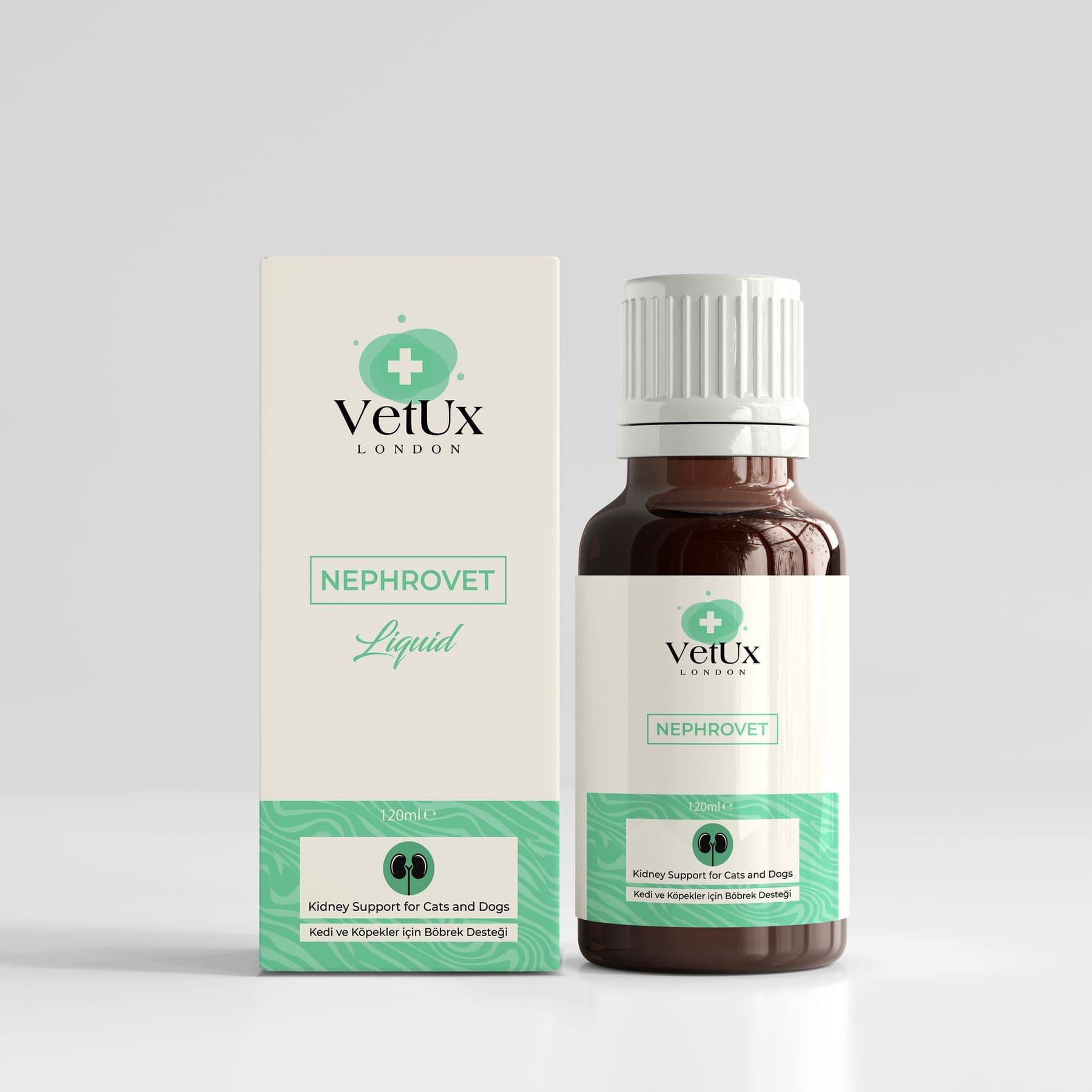 Nutrition
Practical ways to raise water intake in senior cats
Cats rarely show us that they are thirsty. Raising daily water intake is one of the simplest habits that helps maintain normal kidney function — and in most homes it takes only a few small changes.
 Care Guides
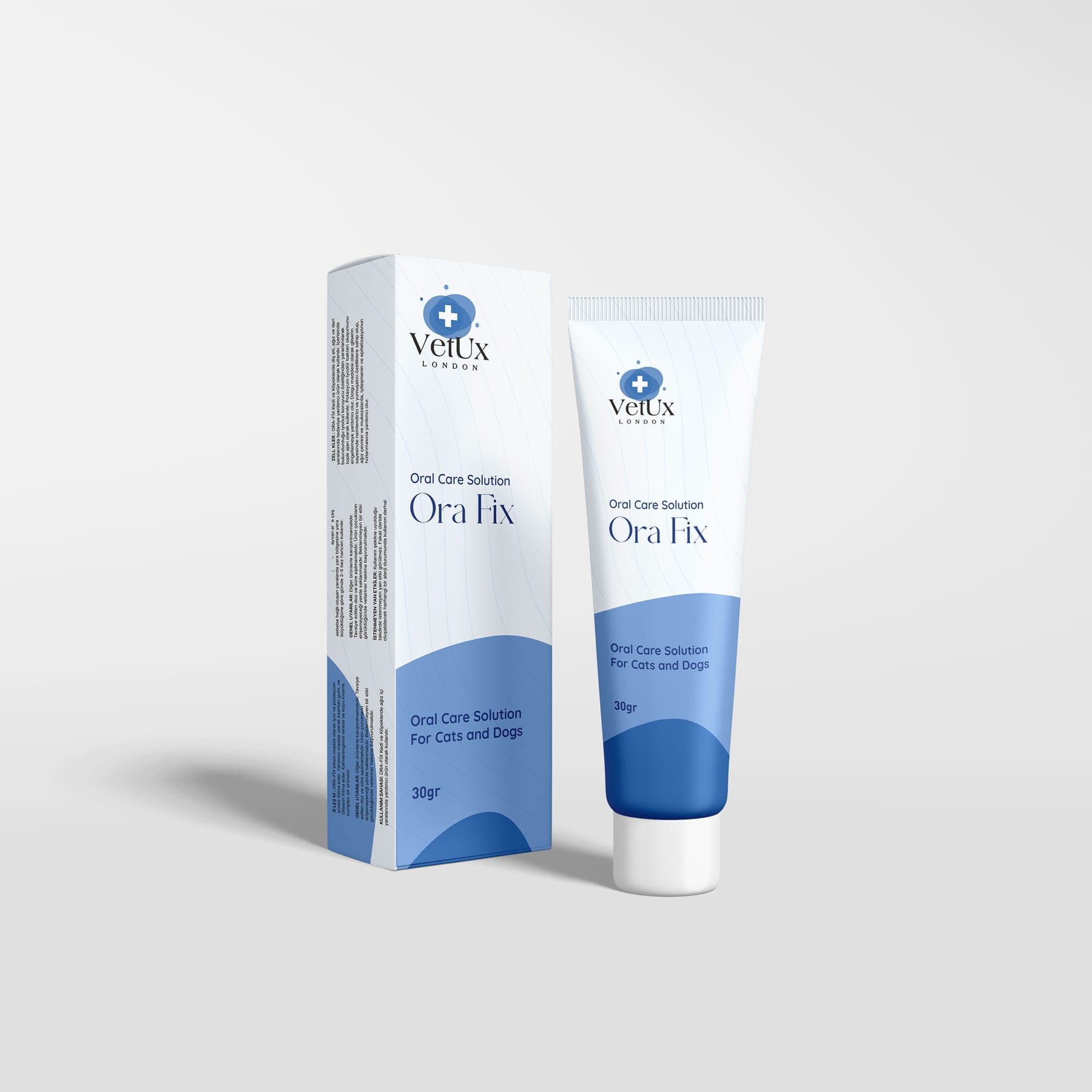
Oral care at home: a step-by-step way to build the habit
The hard part of oral care is not the brushing — it is getting there. A patient two-week programme is usually enough for the routine to settle in most dogs and cats.
 Brand Journal
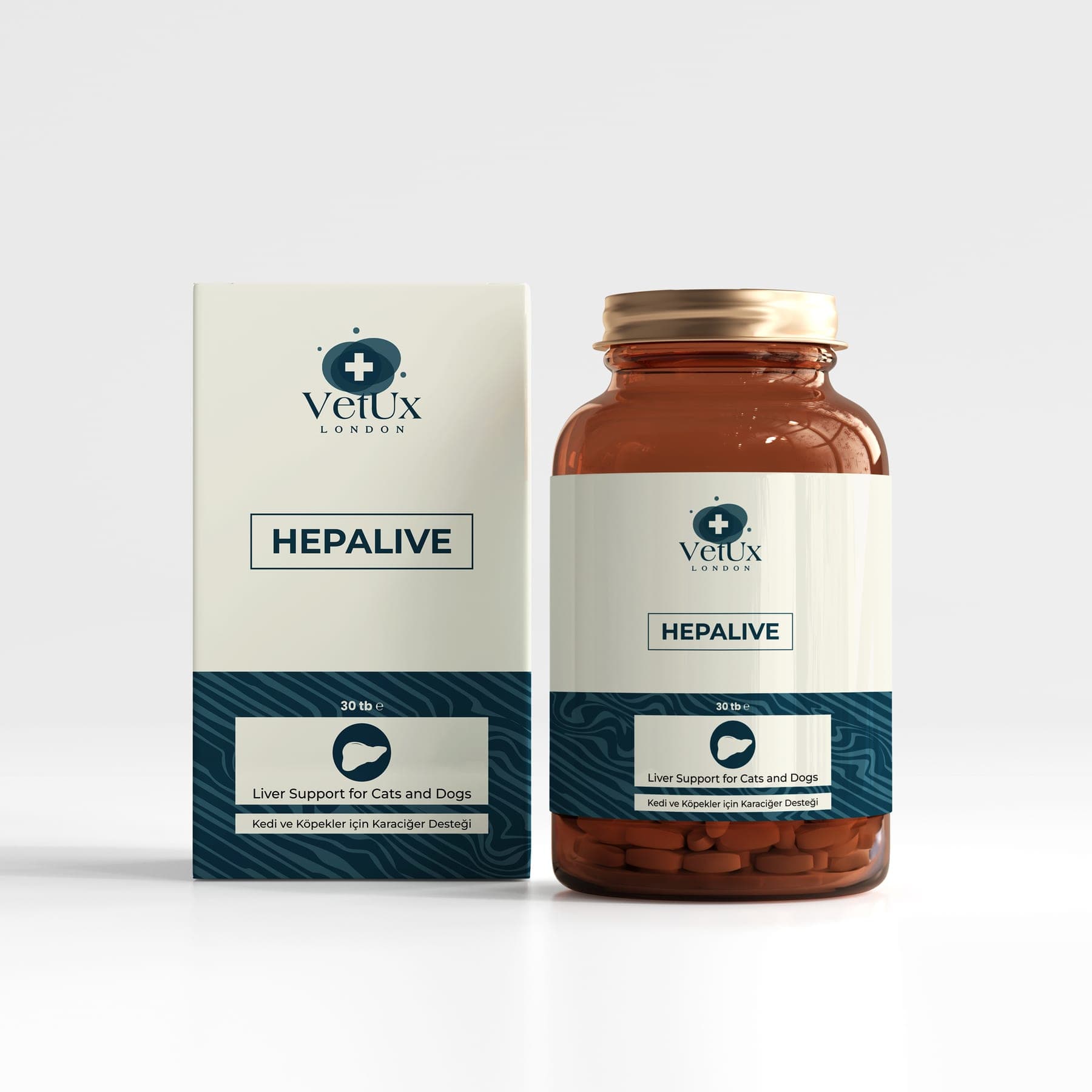
Reading the label: what to look for on the back of a supplement
The front always looks good. What actually describes a complementary feed is the back label — and there are really only four things to look for there.