
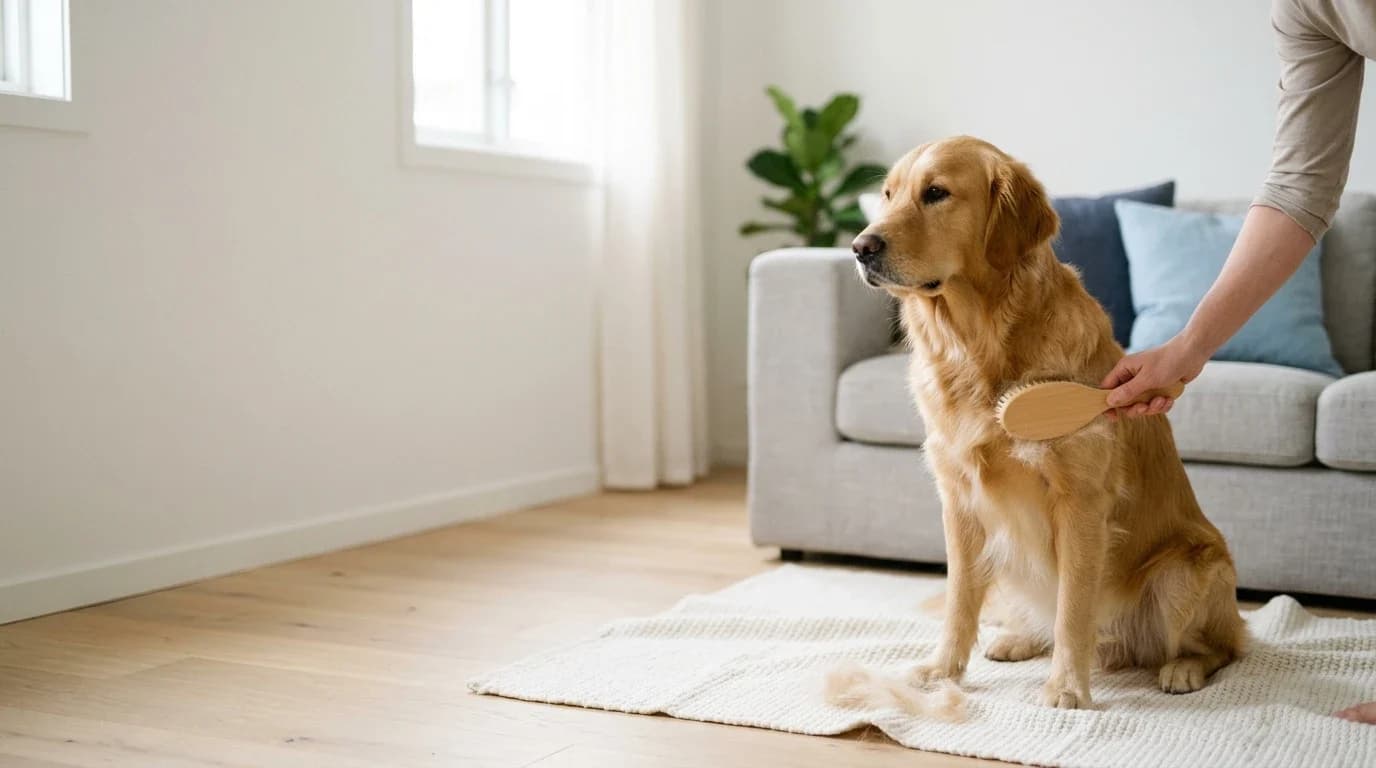
My Dog Is Shedding a Lot, Is It Normal?
Canine shedding is often a normal part of the hair cycle, yet bald patches, itching, or redness warrant clinical review. Learn the biology of shedding, key causes, and when to consult your veterinarian.
Short answer: Shedding in dogs is usually a physiological process that intensifies during seasonal transitions. When asking "my dog is shedding a lot, what should I do?", start by checking the skin: clean skin with even thinning is typically normal. Bald patches, itching, redness, scaling, or odour require veterinary diagnosis and care.
Hair collecting on furniture, clothing, and floors is one of the most common concerns among dog owners. Heavy shedding alone, however, does not automatically point to skin disease. Understanding your dog's coat anatomy, the natural rhythm of hair follicles, and the visual hallmarks of healthy skin helps you tell routine seasonal moulting apart from hair loss that calls for a clinical examination.
How Does Shedding Work Biologically in Dogs?
Unlike human skin, canine skin contains compound hair follicles. Each follicular opening houses a thicker primary guard hair surrounded by multiple finer secondary undercoat hairs. Double-coated breeds such as Siberian Huskies, Golden Retrievers, and German Shepherds carry a dense undercoat, which explains their dramatic seasonal "coat blow." Single-coated breeds like Poodles or Bichon Frises have a prolonged hair-growth phase, so hair turnover is far less noticeable around the home.
Every canine hair follicle cycles continuously through distinct biological stages:
- Anagen (growth phase): The follicle is metabolically active and lengthens the hair shaft through keratin synthesis.
- Catagen (regression phase): Active growth slows and the follicle transitions toward rest.
- Telogen (resting phase) and exogen (shedding phase): The mature hair detaches and is shed as a new anagen hair prepares to emerge.
The primary external cue guiding this cycle is photoperiod—the changing length of daylight. Longer days in spring and shorter days in autumn signal the hypothalamus-pituitary axis via melatonin and prolactin, prompting follicles to renew the coat for the upcoming season. In indoor dogs exposed to artificial lighting and stable room temperatures year-round, this seasonal peak can flatten into steady shedding across every month. Multi-pet households observing similar photoperiod-driven moulting in cats can also read our guide on telling seasonal moulting from problem hair loss in cats.
Coat quality also relies closely on the skin barrier, sebum balance, and keratin synthesis. The outermost epidermal layer (stratum corneum) retains moisture and shields the skin through its intercellular lipid matrix. Sebaceous glands opening into the hair follicle produce sebum, coating the hair shaft for suppleness and lustre; sex hormones—androgens in males and oestrogen dynamics in females—directly influence sebum output and follicular cycle timing. Meanwhile, building strong keratin depends on digestible dietary protein alongside micronutrients such as zinc, biotin, B-complex vitamins, and vitamin D receptor signalling within the follicle.
How Can You Tell Normal Shedding from Problem Hair Loss?
Heavy hair turnover during spring and autumn transitions, puppy-to-adult coat replacement, or the post-whelping period is generally physiological. In contrast, shedding paired with visible skin changes or localised hair loss (alopecia) warrants veterinary evaluation. A calm home check can help you organise what to share with your veterinarian:
| Observation | Physiological (normal) shedding | Problem hair loss (needs veterinary check) | | --- | --- | --- | | Pattern | Diffuse and even across the coat | Patchy bald spots or symmetrical flank thinning | | Skin appearance | Clean, pale or normal pigment, calm | Redness, crusts, pustules, or darkening of skin | | Itching and behaviour | No unusual scratching | Persistent scratching, paw licking, rubbing | | Coat and skin odour | Mild and neutral | Musty, greasy, or sour odour; heavy dandruff | | Regrowth | Healthy new coat emerging evenly | Sparse areas linger; remaining hairs feel brittle or dull |
This comparison is a practical starting point rather than a diagnostic tool. Even quiet, non-itchy coat thinning can be an early marker of an internal condition, and definitive diagnosis and treatment always belong to a veterinarian.
What Can Cause Excessive Shedding in Dogs?
When shedding exceeds seasonal expectations or appears alongside skin lesions, several dermatological and systemic causes must be considered. Because distinct conditions often look alike on the surface, clinical examination and targeted testing are essential.
External parasites
Fleas, ticks, and mange mites such as Sarcoptes and Demodex remain leading causes of canine hair loss. In flea allergy dermatitis, even minimal flea exposure can trigger intense itching over the lower back and tail base, leading to self-inflicted coat breakage. Demodex mites frequently present with localised hair thinning around the eyes, muzzle, or paws.
Bacterial and fungal infections
When the epidermal barrier is disrupted, resident bacteria (superficial pyoderma or folliculitis) or Malassezia yeasts can overgrow, causing scaling, crusts, greasy odour, and patchy hair loss. Dermatophytosis (ringworm) may create circular or irregular bald patches with broken hairs and requires timely veterinary evaluation due to its zoonotic potential.
Allergic skin diseases
Canine atopic dermatitis triggered by environmental allergens (pollens, dust mites, moulds) and adverse food reactions compromise barrier integrity and drive persistent pruritus. Ongoing licking, chewing, and scratching mechanically fracture the hair shaft and leave the skin vulnerable to secondary infection.
Endocrine and hormonal factors
Systemic endocrine disorders such as hypothyroidism and hyperadrenocorticism (Cushing's disease) typically cause non-itchy, bilaterally symmetrical hair thinning along the trunk, a thinned "rat tail" appearance, dull coat quality, and darkened skin. Shifting sex-hormone levels—including changes after neutering—can also alter undercoat texture and the pacing of the hair cycle in some dogs.
Nutritional imbalances and physiological stress
Hair synthesis carries a notable metabolic demand for protein and micronutrients. Inadequate protein quality, imbalanced essential fatty acids, or shortfalls in zinc and biotin can leave the coat dry and brittle. To explore how dietary lipids and micronutrients support the coat outside seasonal peaks, see our article on non-seasonal excessive shedding and the balance of omega 3-6 fatty acids and biotin. Major illness, high fever, surgery, or sustained stress can also push many follicles synchronously into the resting phase (telogen effluvium), producing a noticeable wave of shedding weeks later.
My Dog Is Shedding a Lot — What Should I Do?
If your dog's skin looks calm and healthy and their general demeanour is bright, consistent everyday care supports coat condition and helps manage loose hair at home:
- 1Brush regularly with a coat-appropriate tool: Undercoat rakes or gentle slicker brushes for double-coated breeds, and rubber curry brushes for short coats, clear loose telogen hair, distribute natural sebum along the shaft, and let you inspect the skin early.
- 2Keep bathing gentle and measured: Canine skin has a different pH from human skin. Use a mild dog-specific shampoo and avoid over-bathing, which can strip protective surface lipids and aggravate dryness.
- 3Avoid close shaving in double-coated breeds: Clipping a double coat down to the skin does not halt the follicular shedding cycle and can occasionally trigger delayed regrowth (post-clipping alopecia) while exposing delicate skin to sun damage.
- 4Maintain veterinary parasite control: Follow the year-round ectoparasite schedule advised by your veterinary clinic.
- 5Feed a complete, balanced diet: Choose life-stage-appropriate nutrition rich in digestible protein and essential fatty acids, with constant access to fresh water.
Routine grooming supports healthy skin physiology, yet it cannot substitute for clinical diagnosis and treatment whenever an underlying parasite, infection, allergy, or endocrine disorder is present.
When Should You See a Veterinarian?
Book a veterinary appointment rather than assuming seasonal shedding if you notice any of the following warning signs:
- Distinct bald patches or symmetrical thinning along the flanks, chest, or tail
- Frequent scratching, paw chewing, face rubbing, or recurring ear redness
- Redness, crusts, scabs, oozing spots, pimple-like bumps, or a strong greasy odour
- Marked scaling, dandruff, thickened skin, or dark pigmentation changes
- General signs such as lethargy, unexplained weight change, cold intolerance, or increased thirst and urination
- Heavy, worsening shedding outside seasonal windows accompanied by a visibly dull or brittle coat
During an examination, your veterinarian can use skin scrapings, cytology, fungal culture, or blood and endocrine panels to identify the underlying cause before secondary skin complications take hold.
Which Sex-Specific Nutritional Supports Accompany Skin and Coat Health?
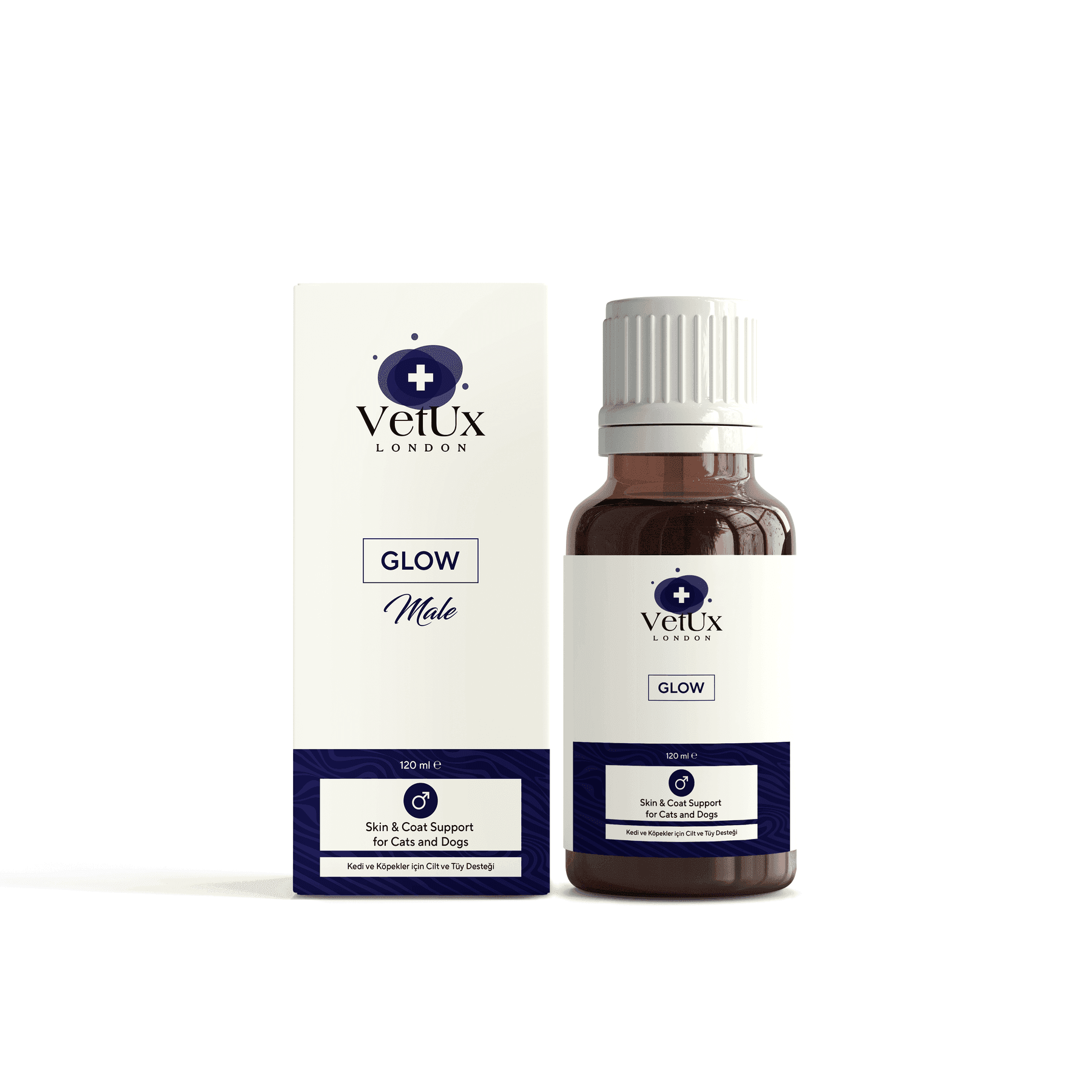
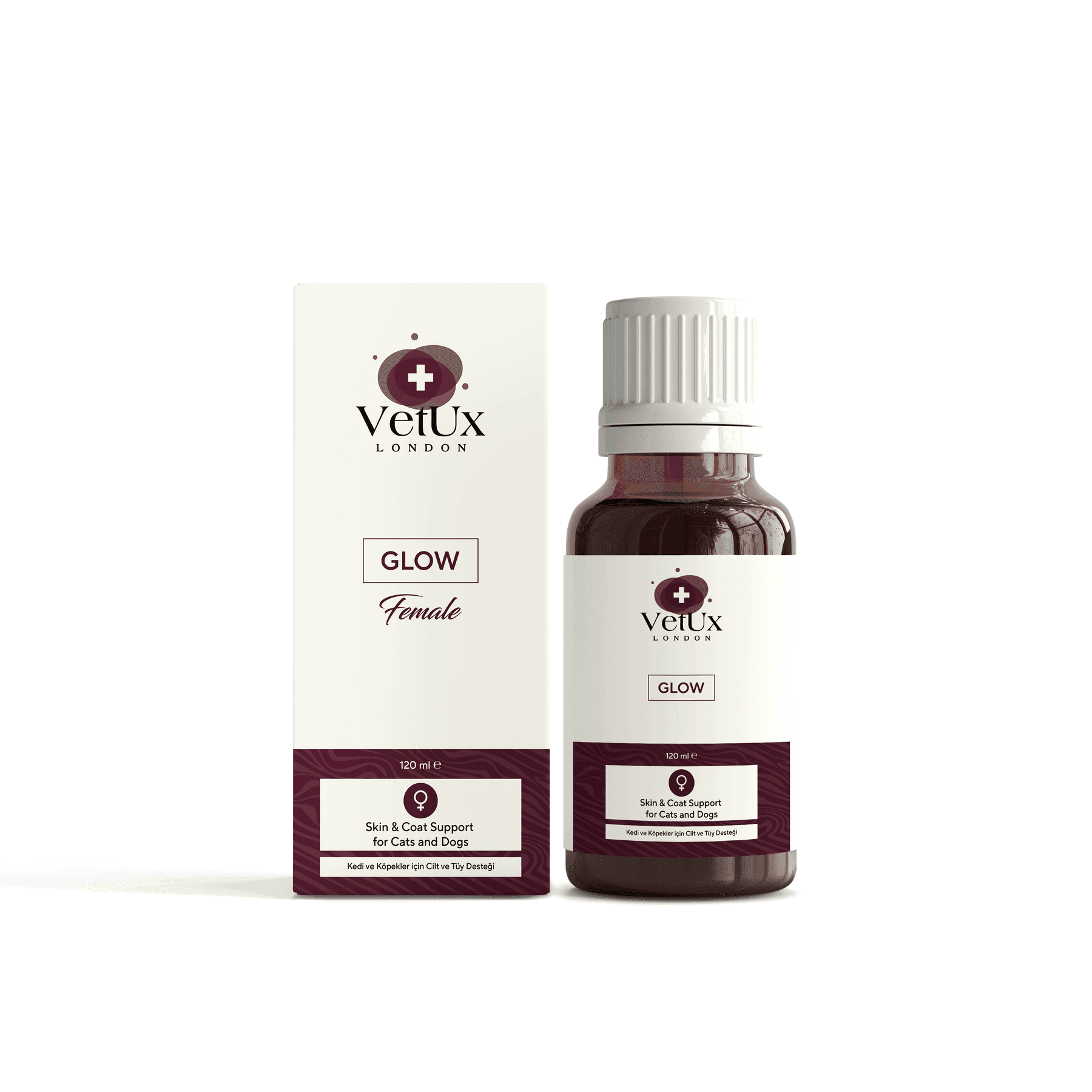
Liquid complementary feeds chosen alongside balanced nutrition and the care plan recommended by your veterinary surgeon can contribute to maintaining skin and coat health while respecting sex-specific physiology. Formulated for male dogs whose skin tends toward oiliness under androgen influence, Glow Male (120 ml liquid complementary feed) provides per kilogram 1,500 mg saw palmetto extract (Serenoa repens), 1,500 mg nettle extract (Urtica dioica), and 1,500 mg burdock root extract (Arctium lappa) to accompany a normal sebum balance, together with 125,000 IU vitamin D3, 1,250 mg D-biotin, 2,600 mg zinc, 1,375 mg beta glucan 1,3-1,6, 500 mg liquorice extract (Glycyrrhiza glabra), 15,000 mg vitamin B6 (pyridoxine HCl), and 6,250 mg vitamin B5 (pantothenic acid) to help maintain keratin structure, hair-shaft strength, and everyday comfort in sensitive skin. Prepared for female dogs whose coat cycle and skin moisture balance can be influenced by hormonal shifts, particularly after spaying, Glow Female (120 ml liquid complementary feed) delivers per kilogram 1,500 mg evening primrose extract (Oenothera biennis), 1,500 mg nettle extract (Urtica dioica), and 1,500 mg burdock root extract (Arctium lappa) to accompany skin barrier integrity and normal moisture balance, paired with 250,000 IU vitamin D3, 1,250 mg D-biotin, 2,600 mg zinc, 1,375 mg beta glucan 1,3-1,6, 625 mg liquorice extract (Glycyrrhiza glabra), 10,000 mg vitamin B6 (pyridoxine HCl), and 6,250 mg vitamin B5 (pantothenic acid) to contribute to keratin synthesis and skin integrity. Both products are complementary feeds rather than medicines; they do not replace veterinary diagnosis or treatment, so please consult your veterinarian before adding them to your dog's routine.
What Are the Most Frequently Asked Questions About Shedding in Dogs?
How long does seasonal shedding last in dogs?
Seasonal moulting generally peaks in spring and autumn and can last anywhere from a few weeks to one or two months depending on breed, coat type, and living environment. Even when hair volume seems high, the underlying skin stays calm and free of bald patches.
Why do indoor dogs shed all year round?
Daylight duration is the main biological trigger for coat renewal. Artificial indoor lighting and steady heating soften natural photoperiod cues, causing many indoor dogs to shed at a steadier pace throughout the entire year rather than only in two sharp seasonal peaks.
Does shaving a double-coated dog stop shedding?
No. Shaving trims existing hair shafts shorter without altering the follicular shedding cycle. In double-coated breeds, close clipping can disrupt normal coat texture and occasionally lead to prolonged delays in hair regrowth.
Can neutering affect a dog's coat texture and shedding?
Yes. Shifts in sex hormones after neutering can alter undercoat density, make the coat feel woollier or duller, and influence the pace of the anagen-telogen cycle. If noticeable thinning or dryness develops after neutering, a veterinary assessment is advisable.
Does frequent bathing affect shedding in dogs?
Bathing too often or using human shampoo can disturb the skin's surface lipids and weaken the epidermal barrier, encouraging dryness, flaking, and hair breakage. Washing frequency and shampoo choice should be matched to your dog's skin type with guidance from your veterinarian.
Can a complementary feed alone resolve heavy shedding?
No. Complementary feeds provide nutritional support that accompanies balanced feeding and physiological skin-coat maintenance, but they cannot diagnose or address parasites, infections, allergies, or hormonal conditions—those always require veterinary examination.
References
- 1Miller WH, Griffin CE, Campbell KL. Muller and Kirk's Small Animal Dermatology. 7th ed. St. Louis, MO: Elsevier Saunders; 2013.
- 2Müntener T, Doherr MG, Guscetti F, Suter MM, Welle MM. The canine hair cycle – a guide for the assessment of morphological and immunohistochemical criteria. Veterinary Dermatology. 2011;22(5):383–395.
- 3Watson TDG. Diet and skin disease in dogs and cats. Journal of Nutrition. 1998;128(12 Suppl):2783S–2789S.
- 4Jackson HA, Marsella R, eds. BSAVA Manual of Canine and Feline Dermatology. 4th ed. Gloucester: British Small Animal Veterinary Association; 2021.
- 5WSAVA Global Nutrition Committee. Global Nutrition Guidelines. World Small Animal Veterinary Association (wsava.org).
- 6ESCCAP (European Scientific Counsel Companion Animal Parasites). Guideline 03: Control of Ectoparasites in Dogs and Cats. esccap.org.
Author: Vet. Hek. Metehan Çalıkuşu — This article is for informational purposes only and does not replace clinical diagnosis or treatment. For an evaluation of your dog's shedding and an appropriate care plan, please consult your veterinarian.
Frequently asked questions
How long does seasonal shedding last in dogs?
Seasonal moulting generally peaks in spring and autumn and can last anywhere from a few weeks to one or two months depending on breed, coat type, and living environment. Even when hair volume seems high, the underlying skin stays calm and free of bald patches.
Why do indoor dogs shed all year round?
Daylight duration is the main biological trigger for coat renewal. Artificial indoor lighting and steady heating soften natural photoperiod cues, causing many indoor dogs to shed at a steadier pace throughout the entire year rather than only in two sharp seasonal peaks.
Does shaving a double-coated dog stop shedding?
No. Shaving trims existing hair shafts shorter without altering the follicular shedding cycle. In double-coated breeds, close clipping can disrupt normal coat texture and occasionally lead to prolonged delays in hair regrowth.
Can neutering affect a dog's coat texture and shedding?
Yes. Shifts in sex hormones after neutering can alter undercoat density, make the coat feel woollier or duller, and influence the pace of the anagen-telogen cycle. If noticeable thinning or dryness develops after neutering, a veterinary assessment is advisable.
Does frequent bathing affect shedding in dogs?
Bathing too often or using human shampoo can disturb the skin's surface lipids and weaken the epidermal barrier, encouraging dryness, flaking, and hair breakage. Washing frequency and shampoo choice should be matched to your dog's skin type with guidance from your veterinarian.
Can a complementary feed alone resolve heavy shedding?
No. Complementary feeds provide nutritional support that accompanies balanced feeding and physiological skin-coat maintenance, but they cannot diagnose or address parasites, infections, allergies, or hormonal conditions—those always require veterinary examination.
This article is for general information only; it does not replace veterinary examination, diagnosis or treatment. VetUx London products are complementary feed. If you have any concern about your companion, please consult your veterinary surgeon.
Share
The formulas matching the nutritional support described above.
Related articles
All articles Clinical Notes
Hip Dysplasia in Dogs: Signs, Weight Control and an Exercise Plan
Hip dysplasia starts when the hip joint of a growing dog, most often a large breed, develops loose and ends in osteoarthritis over time. We explain the signs, why diagnosis needs an X-ray at the vet, how weight loads the joint and how to plan controlled exercise from puppyhood to old age.
 Clinical Notes
Bad Breath in Cats: Tartar, Gum Disease and Causes Beyond the Mouth
Bad breath in cats usually comes from plaque and tartar, but it can also be an early sign of kidney disease or diabetes. We explain how the odour develops, why tartar removal belongs at the vet and how to care for your cat's mouth day to day.
 Clinical Notes
Signs of Heart Failure in Dogs: Coughing, Fast Breathing and Tiredness
Coughing, fast breathing during sleep and tiring quickly are the most common signs of heart failure in dogs. Why they happen, counting sleeping breathing rate at home, emergency signs and the diagnostic process, from a veterinary surgeon.