
The thinking behind
everyday care
Guides, nutrition notes and observations from practice, written from a veterinary point of view — to make daily care at home a little easier.
30
articles
4
Topics
 Clinical Notes
Hypertrophic Cardiomyopathy (HCM) in Cats and Valve Disease in Dogs: Cellular Energy in the Heart
In cats, hypertrophic cardiomyopathy (HCM) thickens and stiffens the heart muscle; in dogs, myxomatous mitral valve disease lets the valve leak. In both, the heart muscle does more work every day and needs more ATP. Diagnosis and treatment belong exclusively to a veterinary surgeon; nutritional support sits alongside that plan, never in place of it.
 Clinical Notes
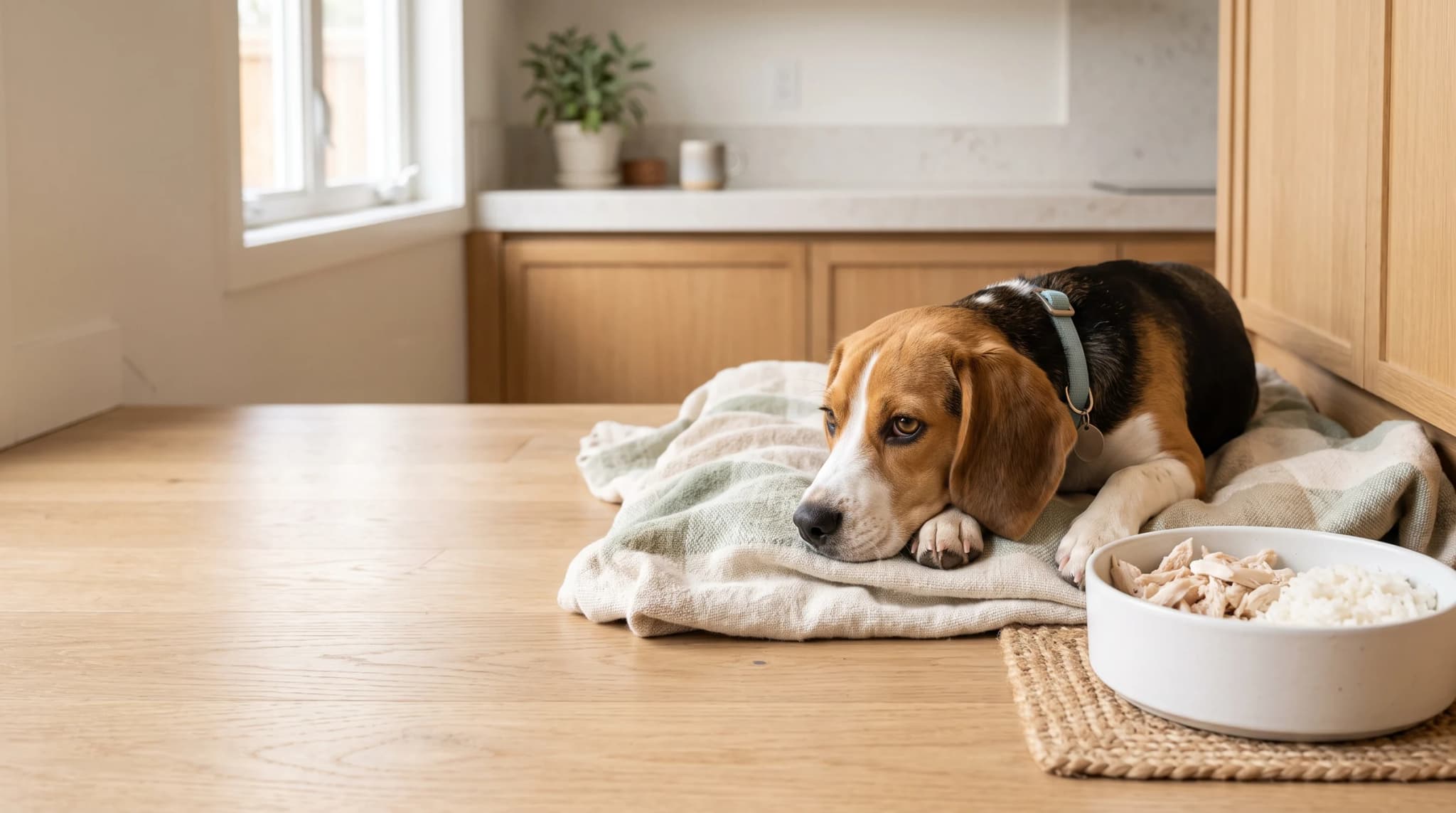
How Does the Gut Microbiota Manage Immunity? Probiotic Colonisation in Small Animals
The microbiota does not boost immunity; it lays the ground for it by maintaining the barrier and training the mucosal immune tissue day after day. What probiotic colonisation actually means, why strain identity matters, and the physiology of the period after antibiotics.
 Clinical Notes
Post-Antibiotic Diarrhoea and Gut Flora Disruption: How Is the Epithelium Protected?
The physiology behind stools that soften during antibiotic treatment: loss of flora balance, falling short-chain fatty acid production, and why the intestinal epithelium is a heading of its own.
 Clinical Notes
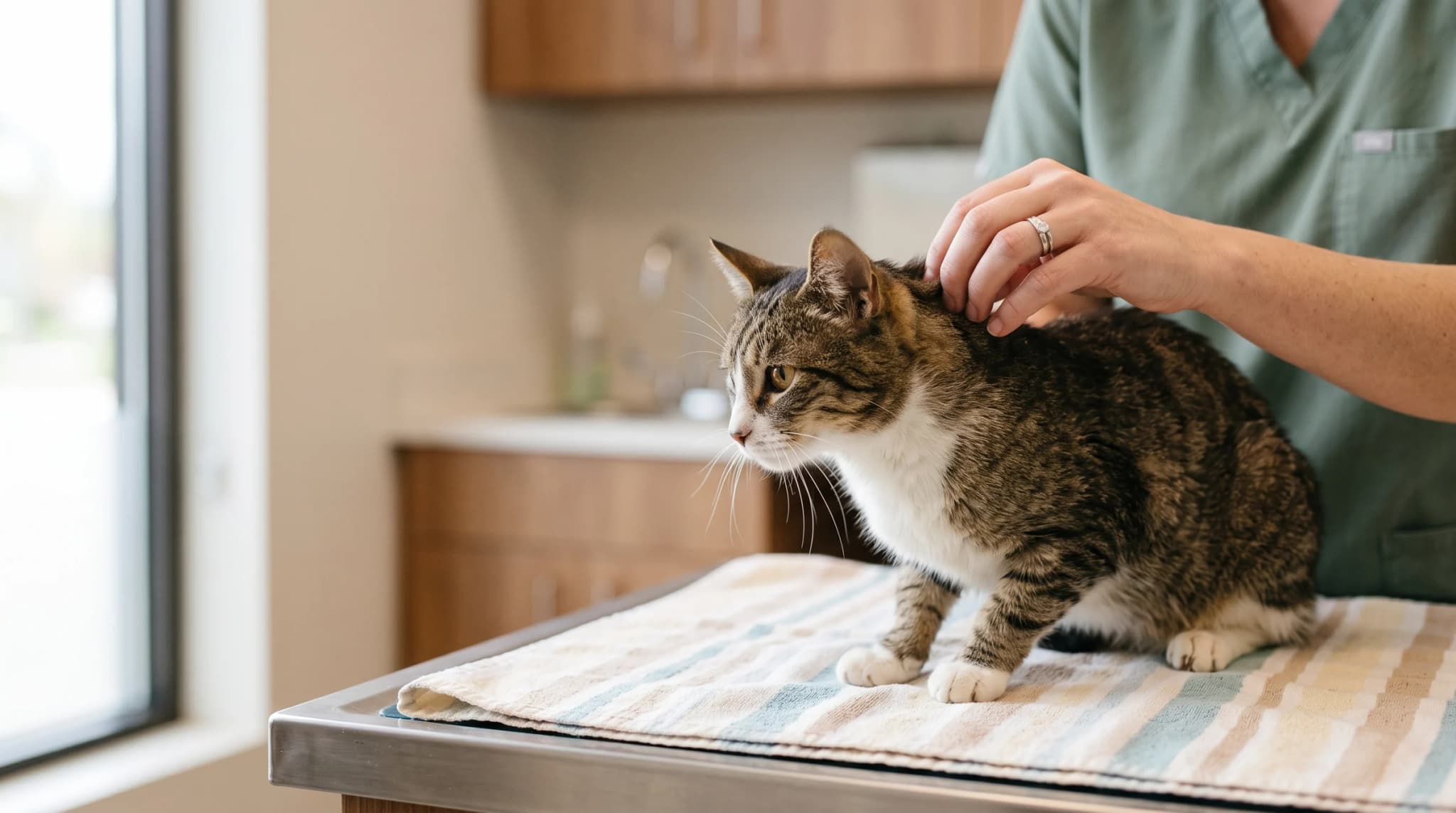
Can Two Supplements Be Used Together in Cats and Dogs with Kidney Disease? How the Vet Builds the Plan
Whether two different complementary feeds can sit in the same plan for a patient with reduced kidney function is not a product question — it is a clinical decision. This article sets out, at ingredient level, which separate lines Nephrovet and Azo-Fix occupy, where they overlap when given together, and what a veterinary surgeon actually looks at when building the plan. Dosage and sequencing are deliberately not covered here: that decision belongs to the veterinary surgeon examining the animal.
 Clinical Notes
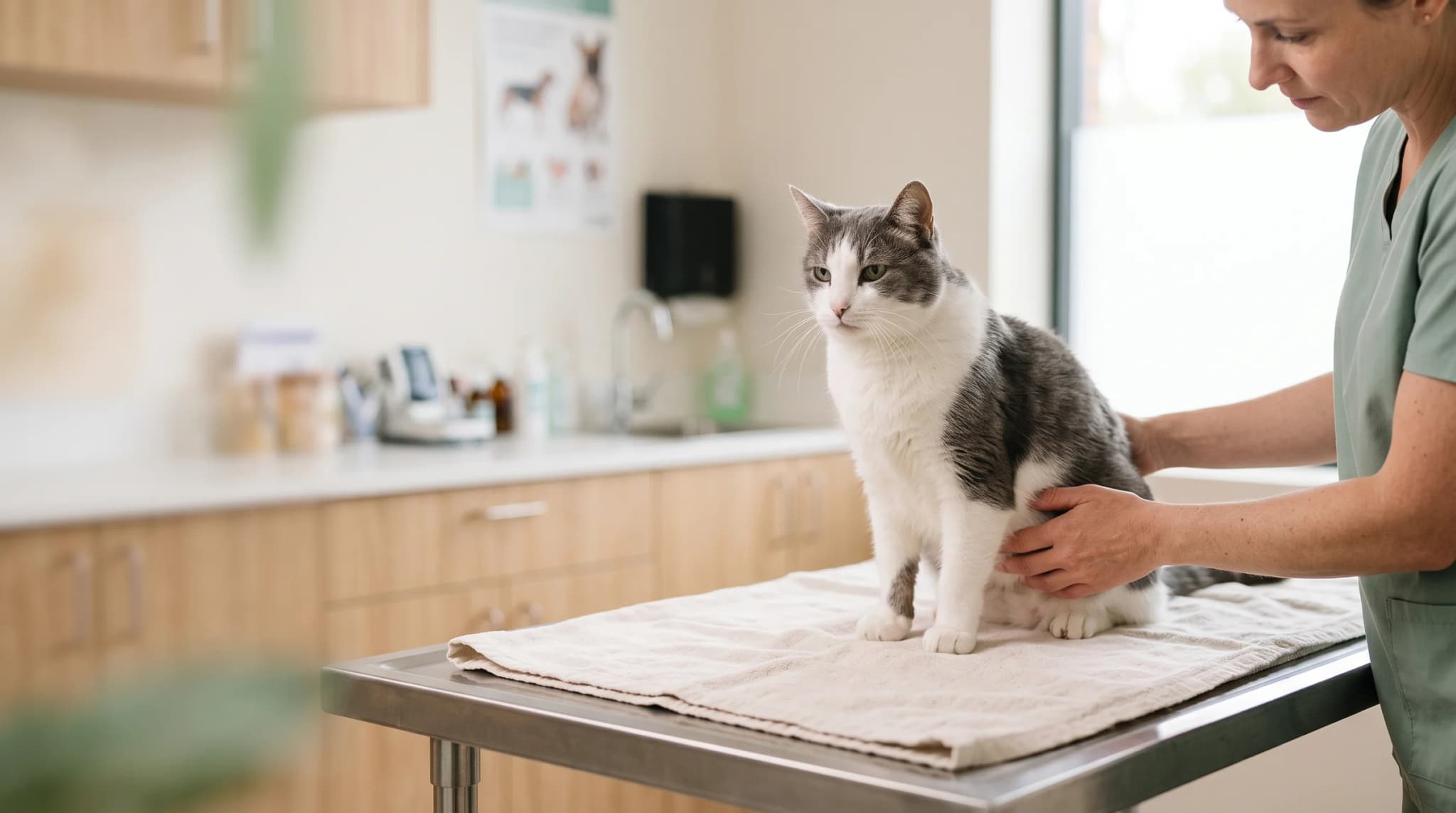
Removing Uraemic Toxins Through the Gut: The Enteric Dialysis Rationale in Azotaemia Management
A substantial share of uraemic toxins is produced not in the kidney but in the colon. The urea–ammonia cycle, protein-bound solutes and the gut–kidney axis: the basis and limits of the "enteric dialysis" rationale.
 Clinical Notes
Why Are Phosphorus Retention and Microcirculation Vital in Chronic Kidney Disease?
In chronic kidney disease, blood phosphorus can look normal until the adaptive capacity of the remaining nephrons is exhausted. We explain the FGF-23–PTH axis and renal microcirculation at the level of general physiology.
 Clinical Notes
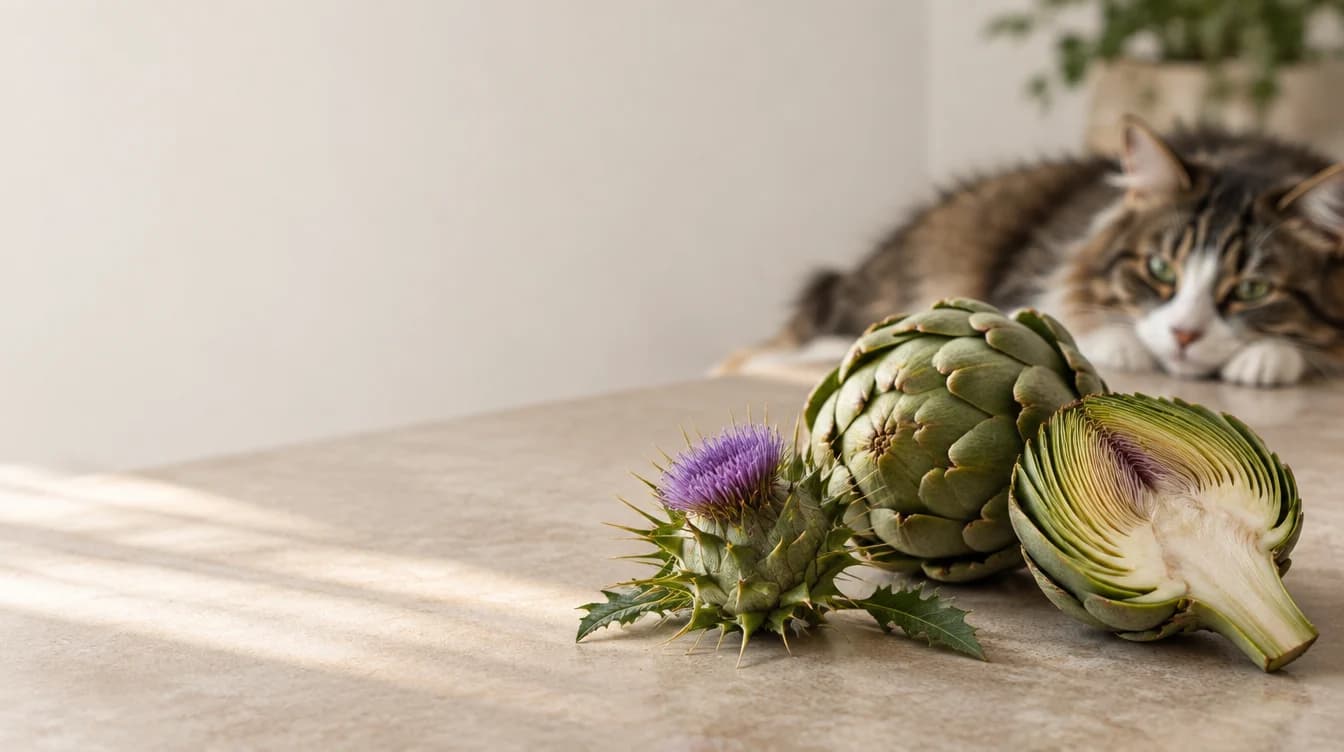
What Do Raised ALT and AST Mean in Cats and Dogs? The Hepatoprotective Role of Silymarin and Artichoke
Raised ALT and AST are not a diagnosis but a laboratory finding your vet reads. We look at why these enzymes leak into the blood, the described membrane mechanisms of silymarin, and the role of artichoke extract in bile flow — with the limits of the evidence stated plainly.
 Clinical Notes
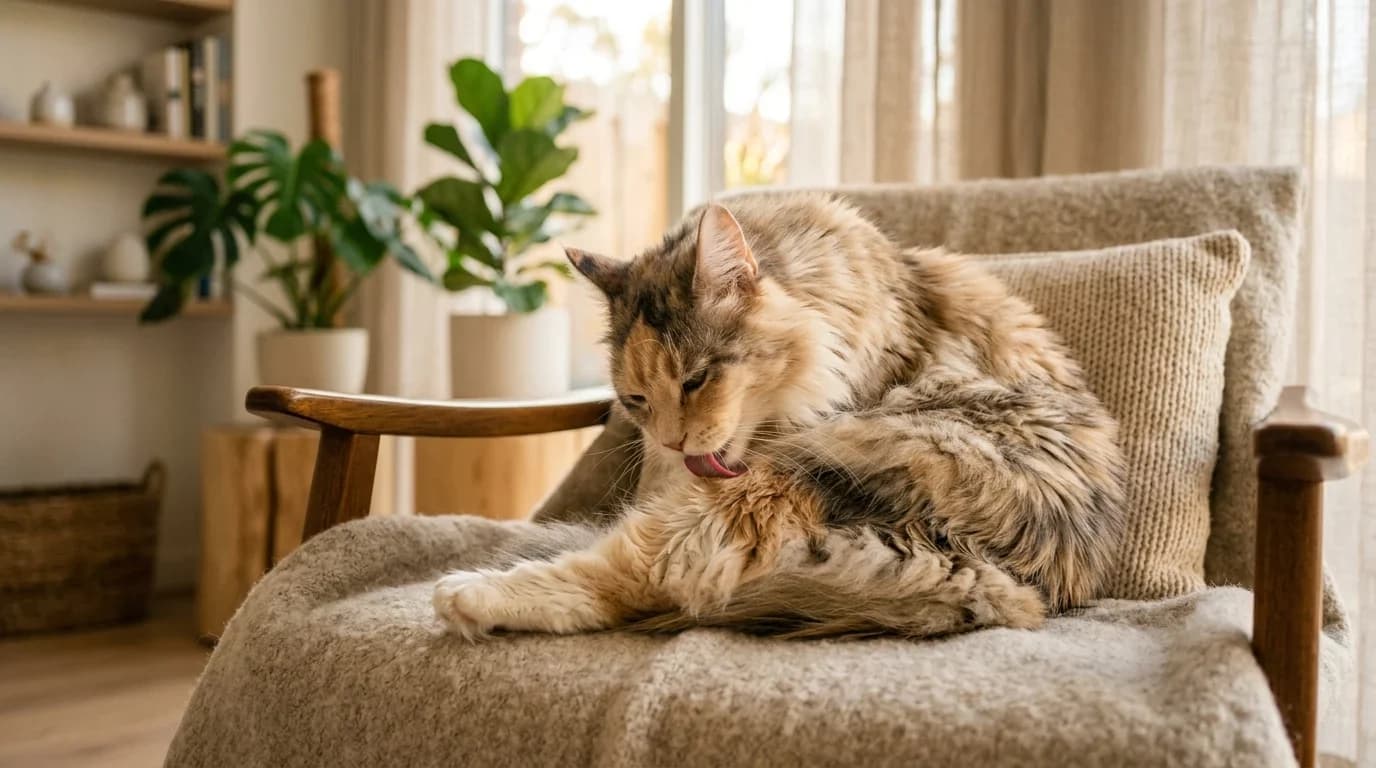
Do Hairballs Irritate a Cat's Stomach? Gastritis Risks and Scientific Approach
Accumulation of trichobezoars in cats mechanically erodes the gastric mucosa, predisposing to chronic gastritis. Nutritional and clinical approaches for physiological transit.
 Nutrition
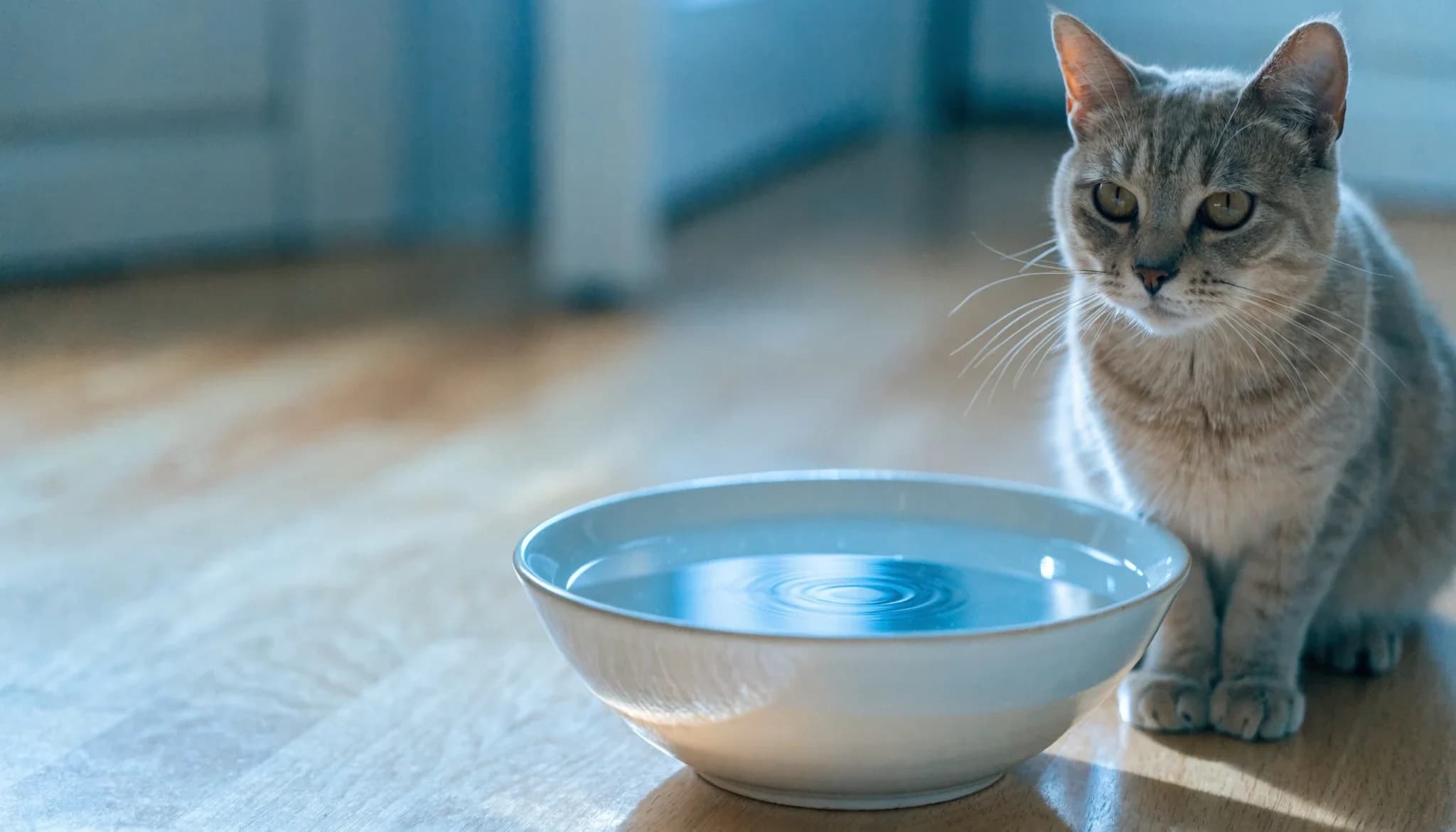
Practical ways to raise water intake in senior cats
Cats rarely show us that they are thirsty. Raising daily water intake is one of the simplest habits that helps maintain normal kidney function — and in most homes it takes only a few small changes.
Still have
a question?
Write to our team, or find your nearest VetUx clinic on the map.